
 Start With the Pain
Pain and swelling
An NSAID may fit a sprain, arthritis flare, or menstrual cramps. Health risks may rule it out.
Name the problem. Check the person. Verify the exact product.
Pain medicines work in different ways. Start with the symptom and body site, then compare the active ingredients and the warnings that apply to the person using them.
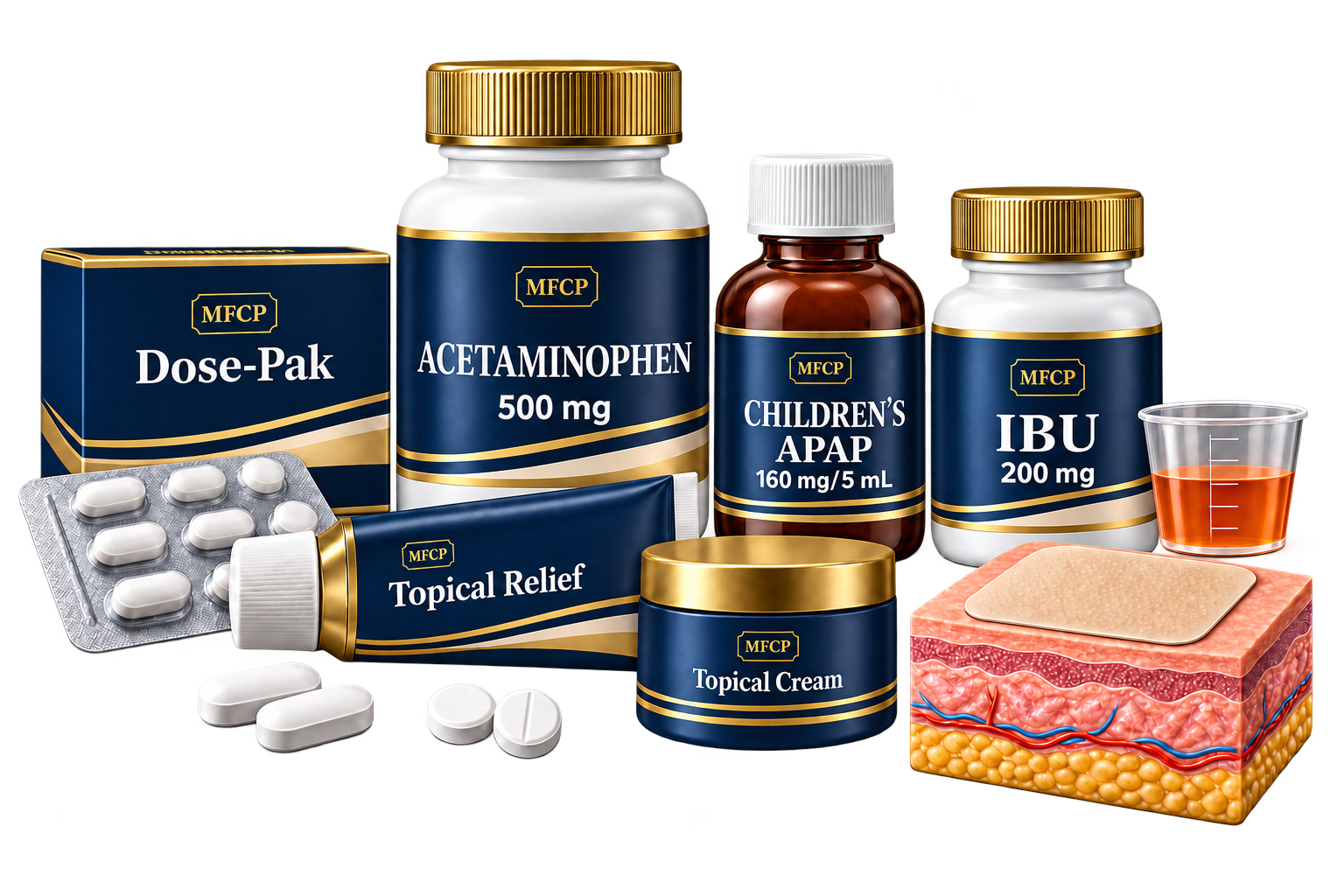
Follow the path in order, or go straight to the question that brought you here.
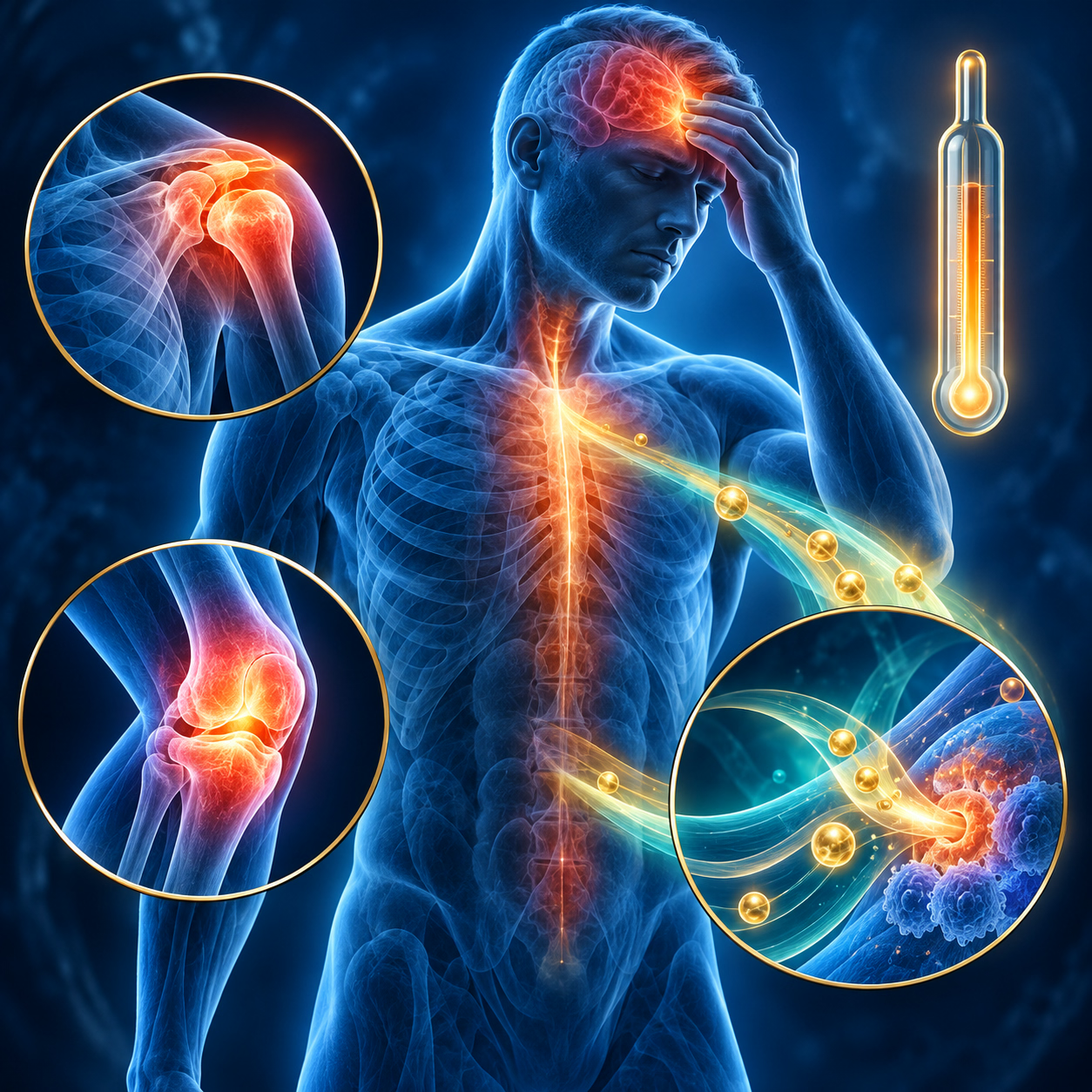
An NSAID may fit a sprain, arthritis flare, or menstrual cramps. Health risks may rule it out.
Acetaminophen can ease pain and fever. It does not lower swelling.
A combination product may help, but each added active ingredient can add risk.
The word backache does not identify the drug. Doan's contains magnesium salicylate.
Phenazopyridine may numb urinary pain briefly. It does not treat an infection.
Chest pain, new weakness, major injury, black stool, or severe abdominal pain needs prompt care.
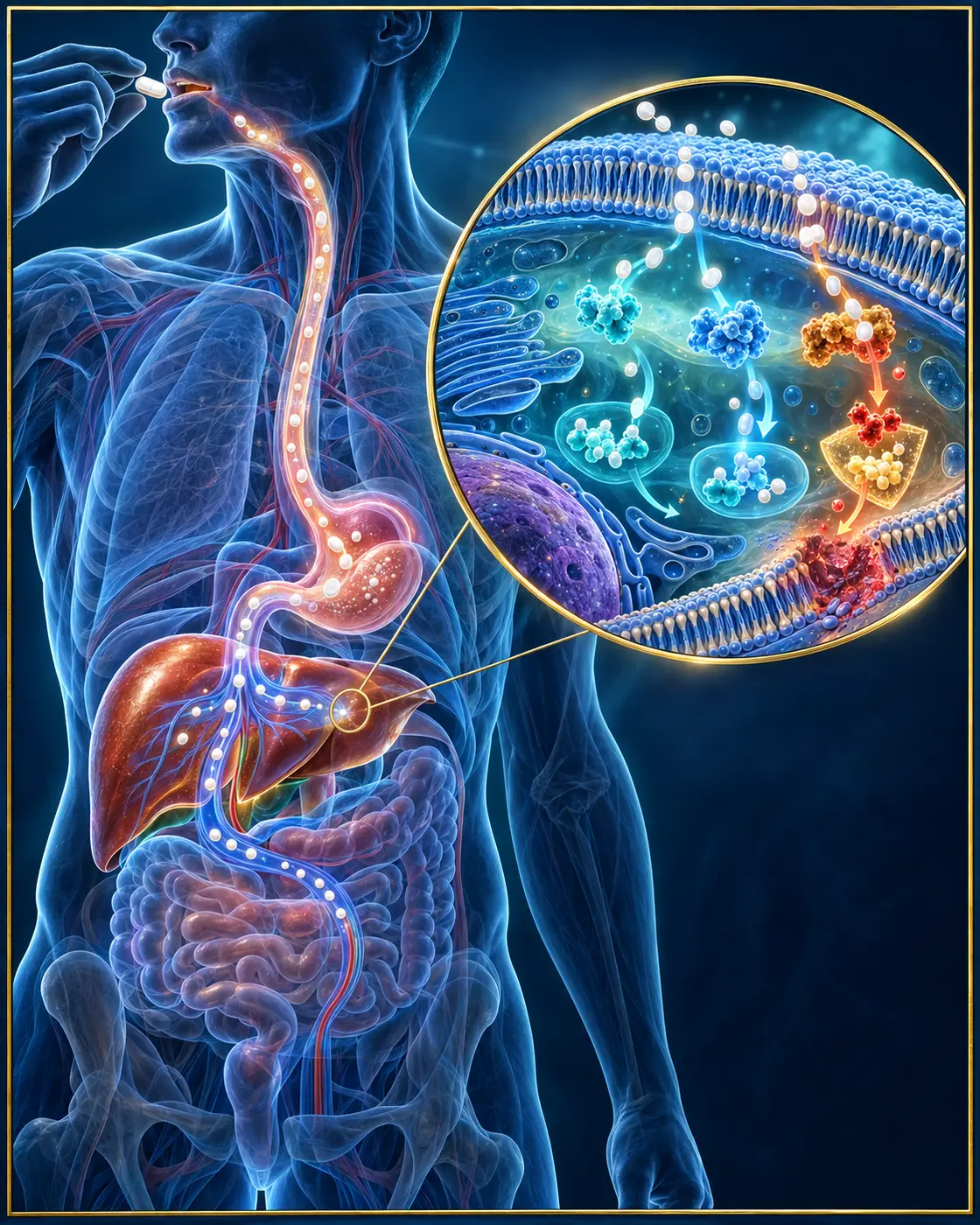
Fits: pain and fever when inflammation is not the target.
Does not: reduce swelling.
Primary control: liver warning and duplicate acetaminophen exposure.
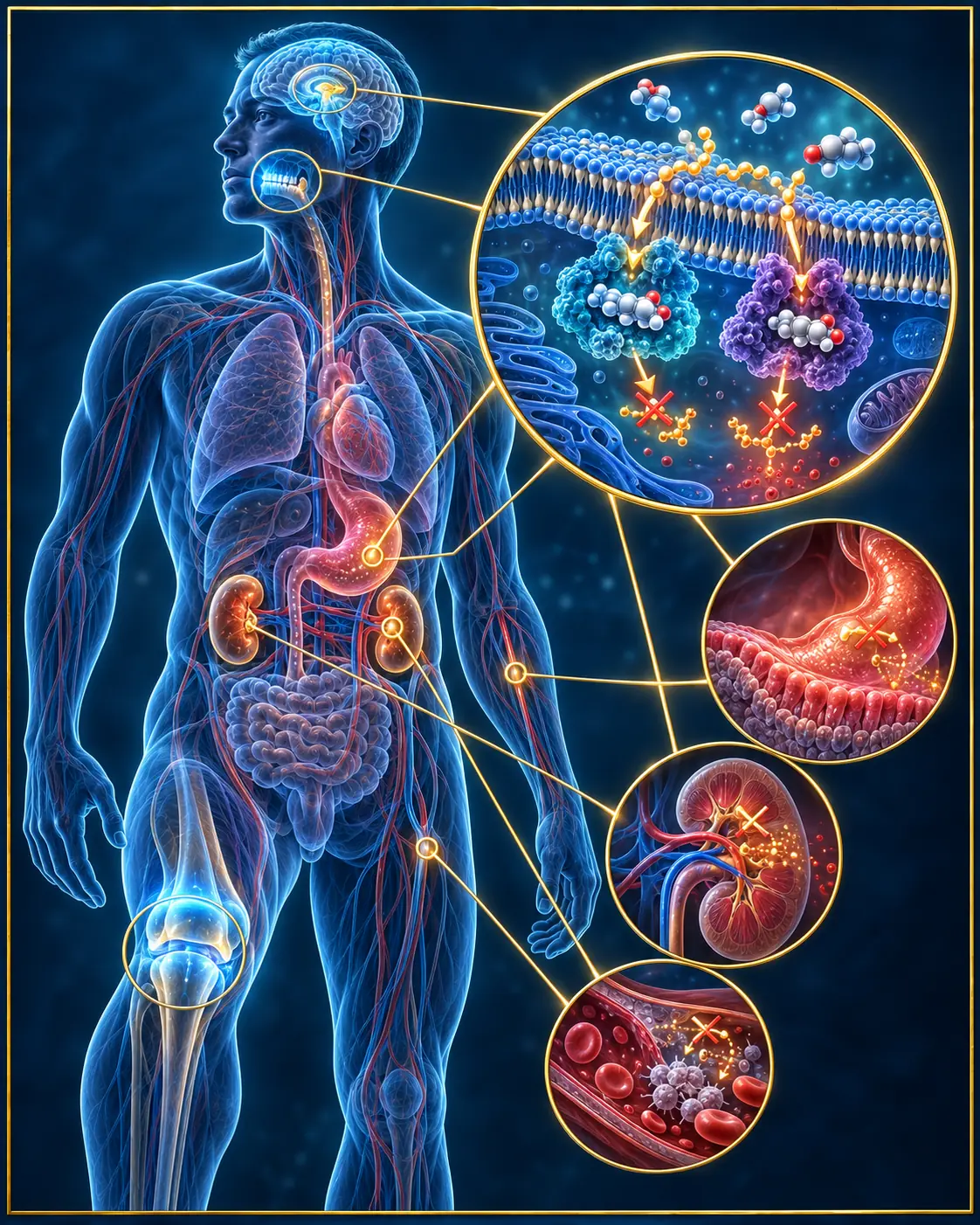
Fits: pain, fever, and inflammation.
May not fit: stomach bleeding, kidney, fluid, blood pressure, heart, or pregnancy risk.
Primary control: do not stack NSAIDs.
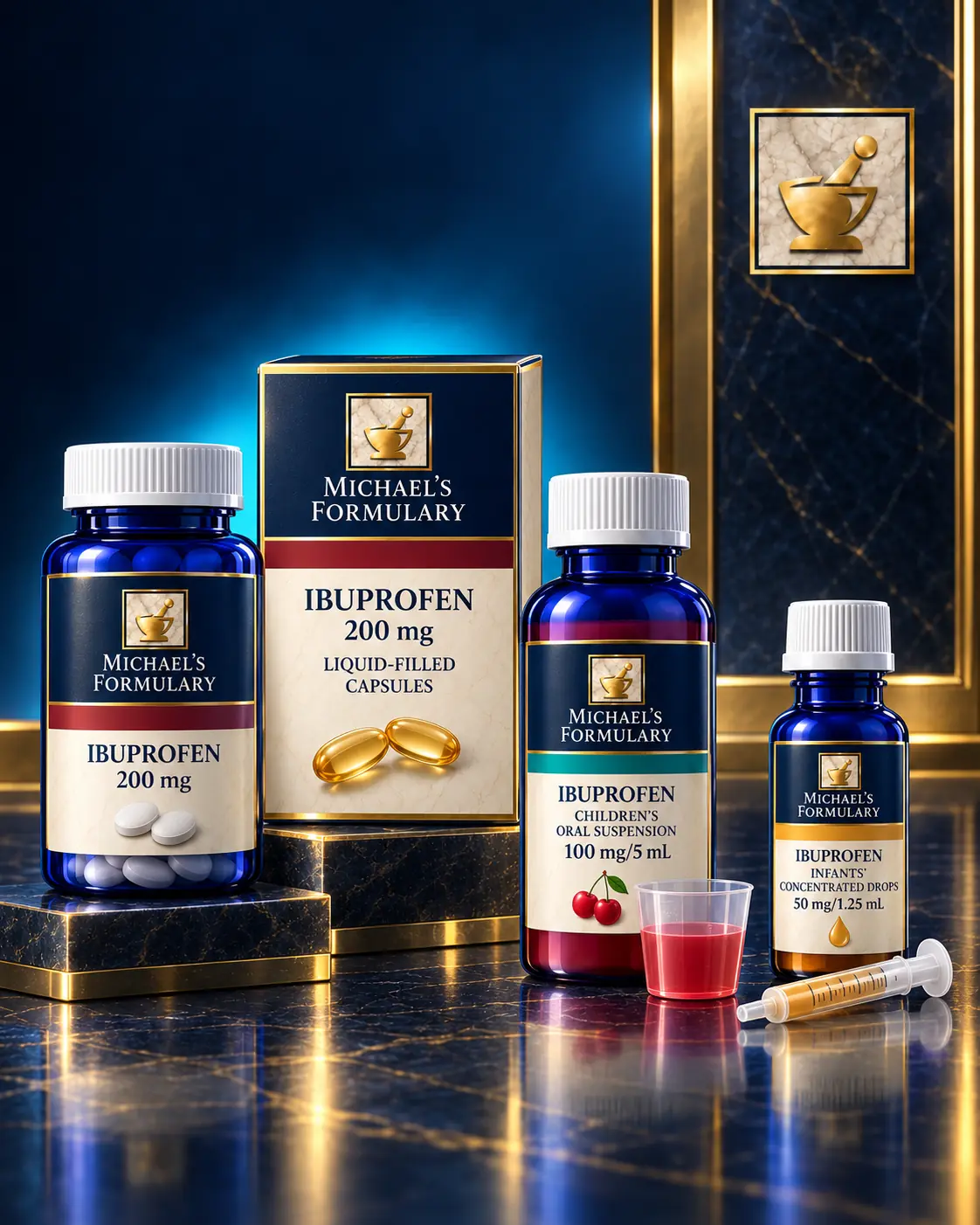
Shorter acting. Used for pain, fever, cramps, dental pain, and minor inflammatory pain.
Open controlled monograph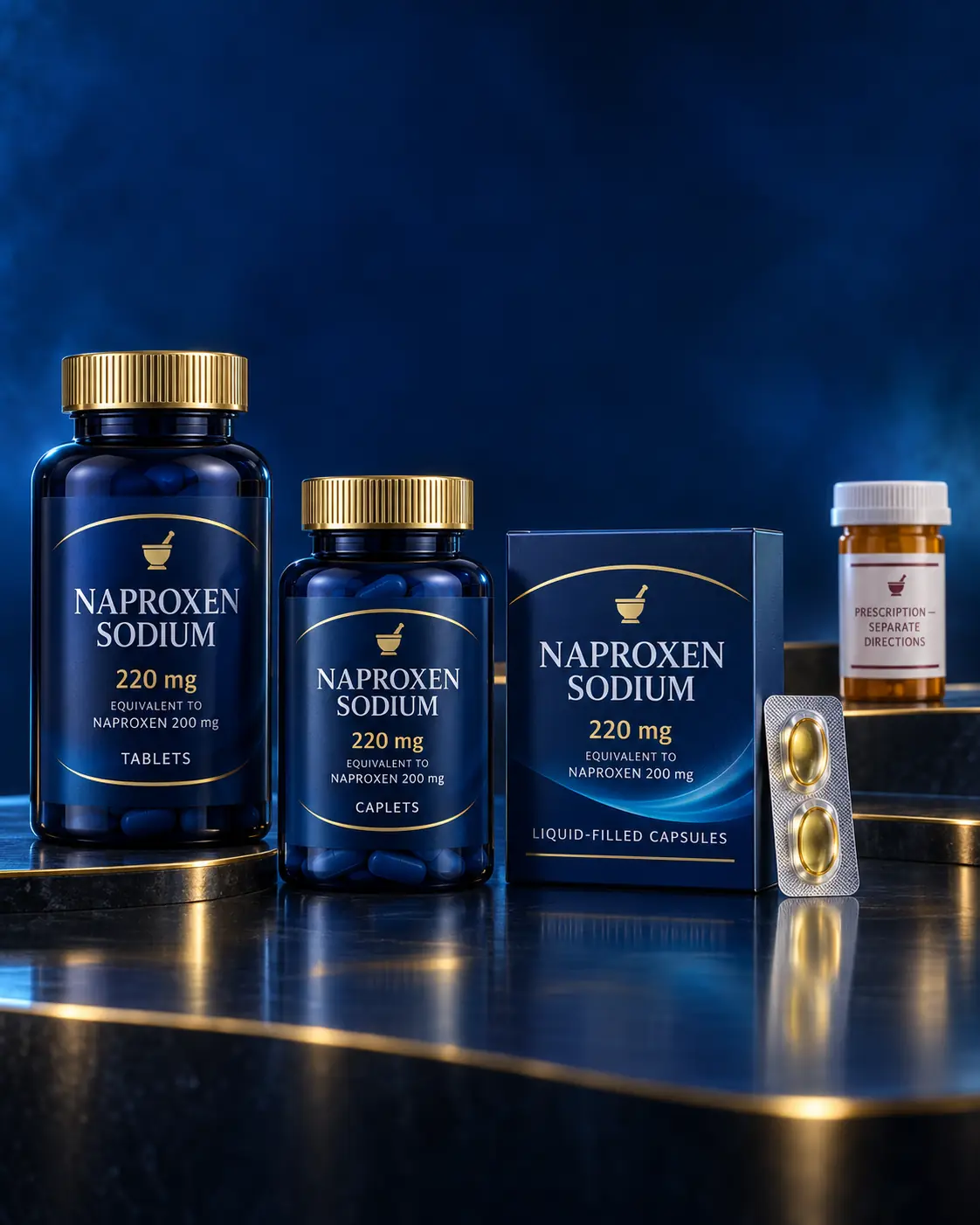
Longer acting. Fewer doses may be needed, but each dose still carries NSAID risk.
Open controlled monograph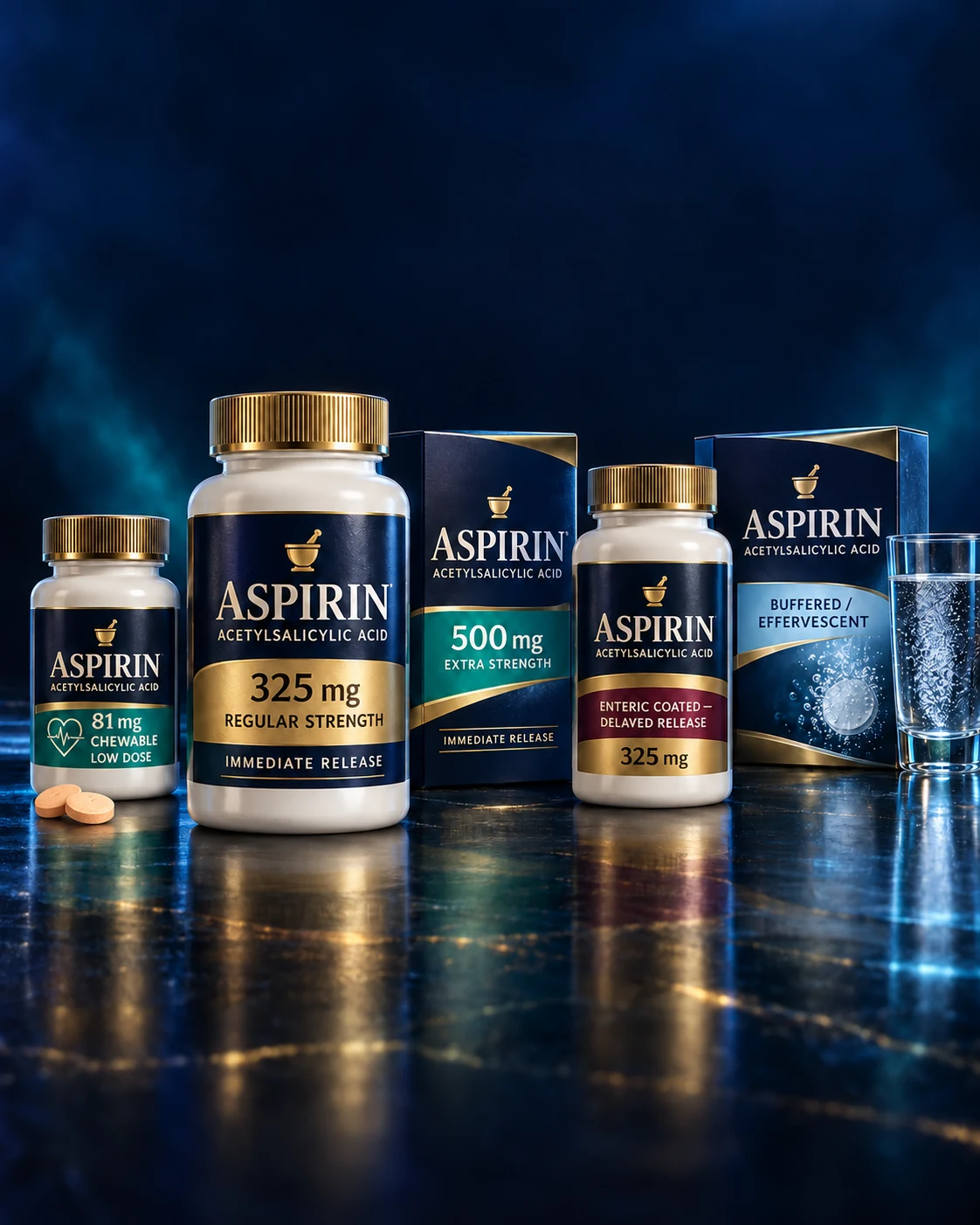
An NSAID with irreversible platelet effects. It can ease pain and fever and can increase bleeding risk.
Open controlled monograph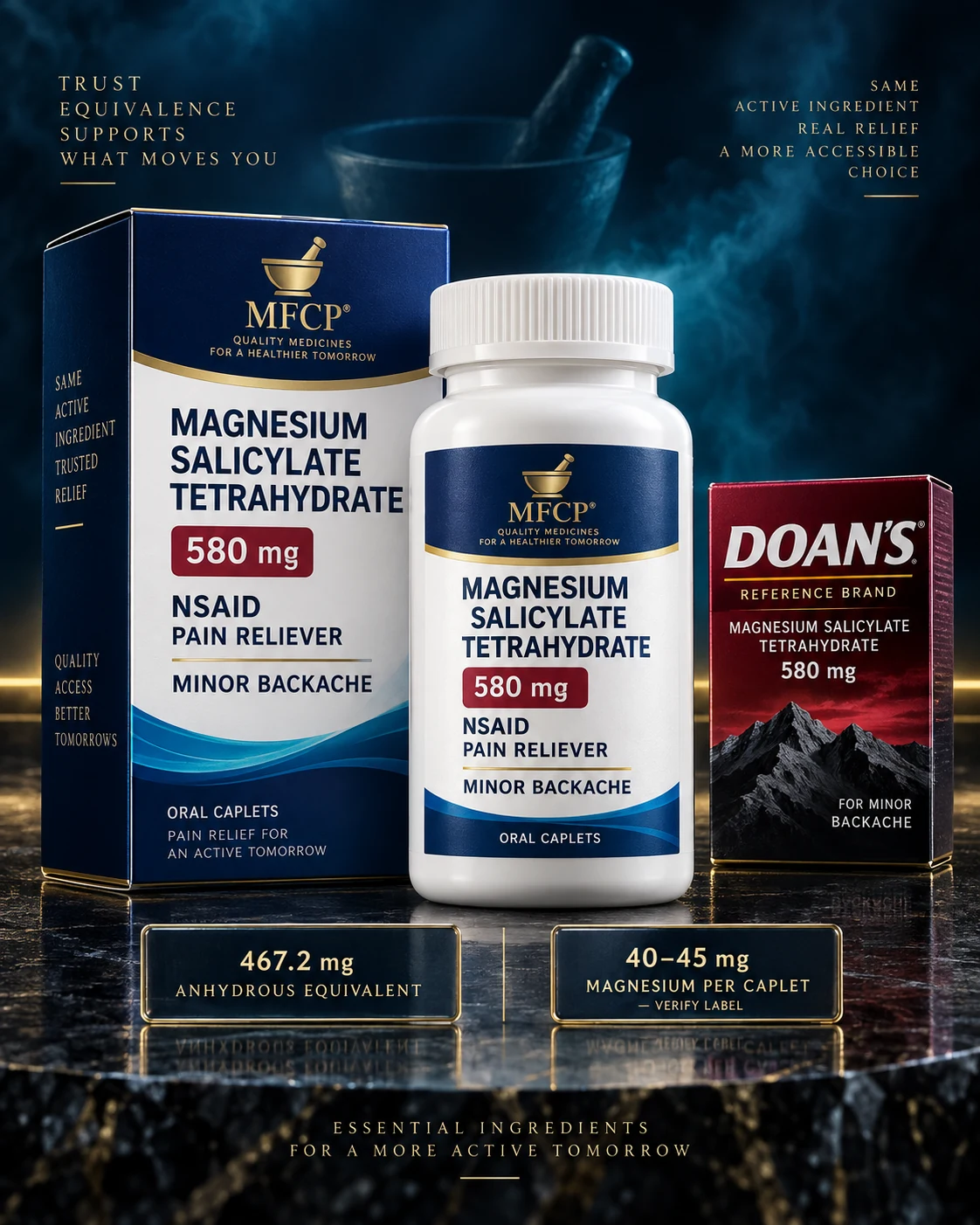
The salicylate NSAID in Doan's for backache. It is not acetaminophen.
Open controlled monograph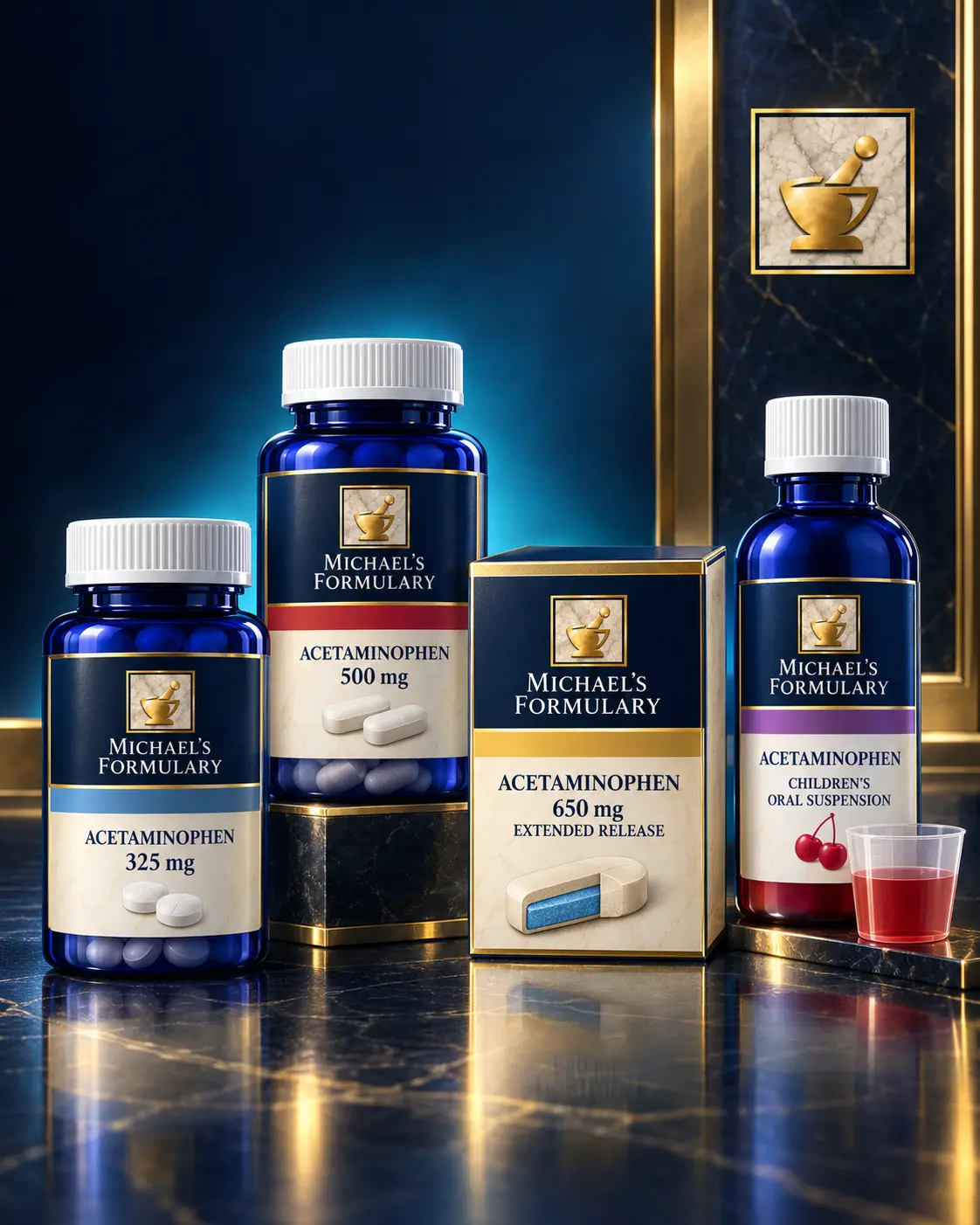
It treats pain and fever without being an NSAID.
Open complete monograph →It can be present in cold, sleep, migraine, and prescription products.
Liver disease and regular alcohol use can reduce the margin for safe use.
Regular use may alter warfarin's effect. Ask the clinic that monitors the blood test.
Count every product containing either name toward the same total.
Strengths and directions differ. Follow the exact package unless a clinician gives a lower limit.
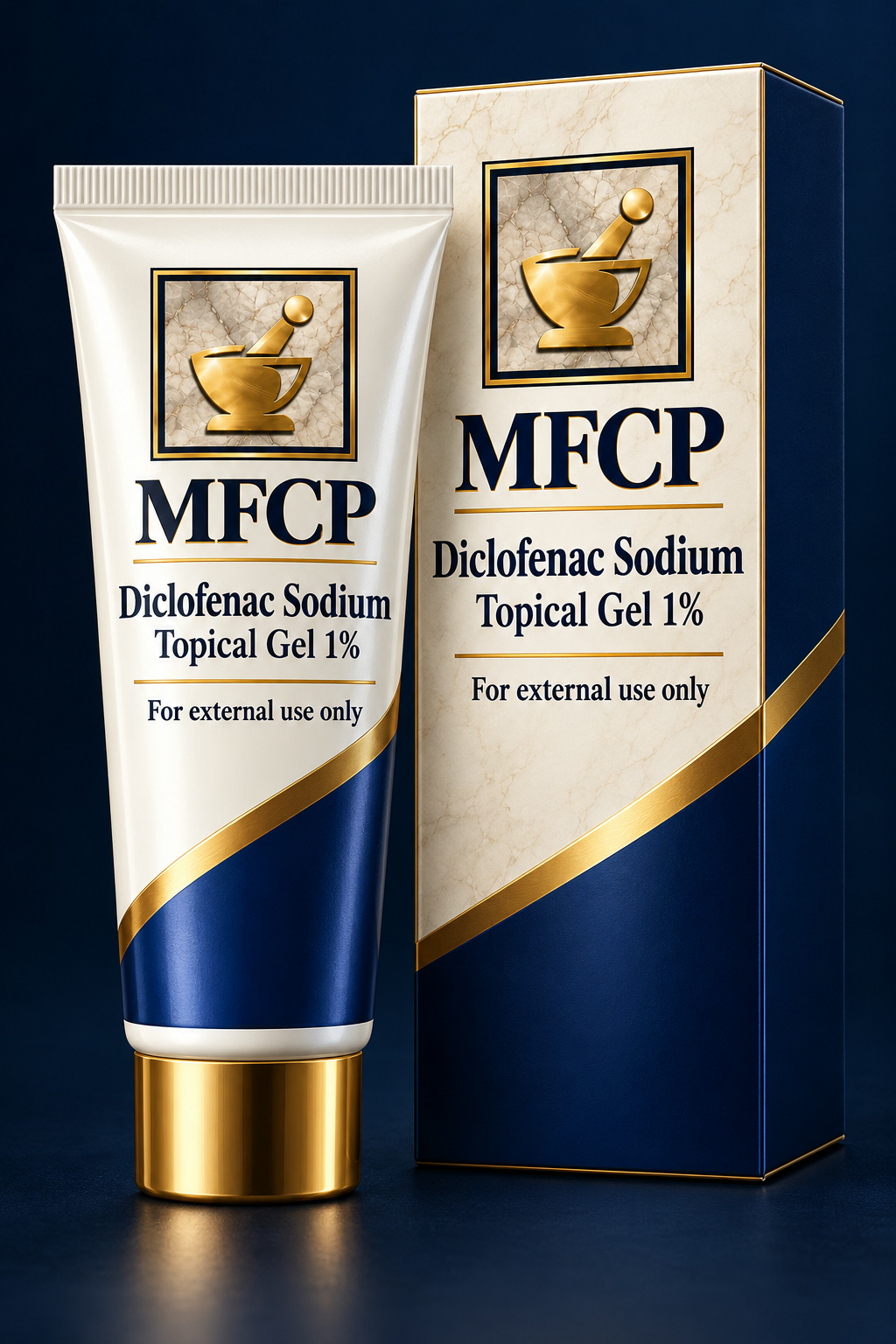
First locate the pain. Then choose the mechanism: anti-inflammatory, counterirritant, capsaicin, or local anesthetic.
Topicals can reduce systemic exposure, but they do not treat fever and they are not automatically low-risk.
Acts locally on inflammatory pain. Its OTC indication, application amount, body sites, duration, and NSAID warnings are product-specific.
Class profile · monograph pendingCooling or warming sensory input temporarily relieves minor muscle and joint aches. Read every active; combination products can stack mechanisms.
Class profile · monographs pendingRepeated application reduces nociceptive signaling over time. Initial burning is common; avoid eyes, mucosa, and damaged skin.
Class profile · monograph pendingDepress cutaneous sensory input rather than inflammation. Concentration, dosage form, body site, and duration determine the label boundary.
Open pramoxine monograph →The vehicle changes contact, coverage, and dosing discipline—not the identity of the active ingredient. Follow the exact package directions.
Format pathwayA single product may contain multiple counterirritants or pair an anesthetic with another active. Count each ingredient before use.
Formula pathway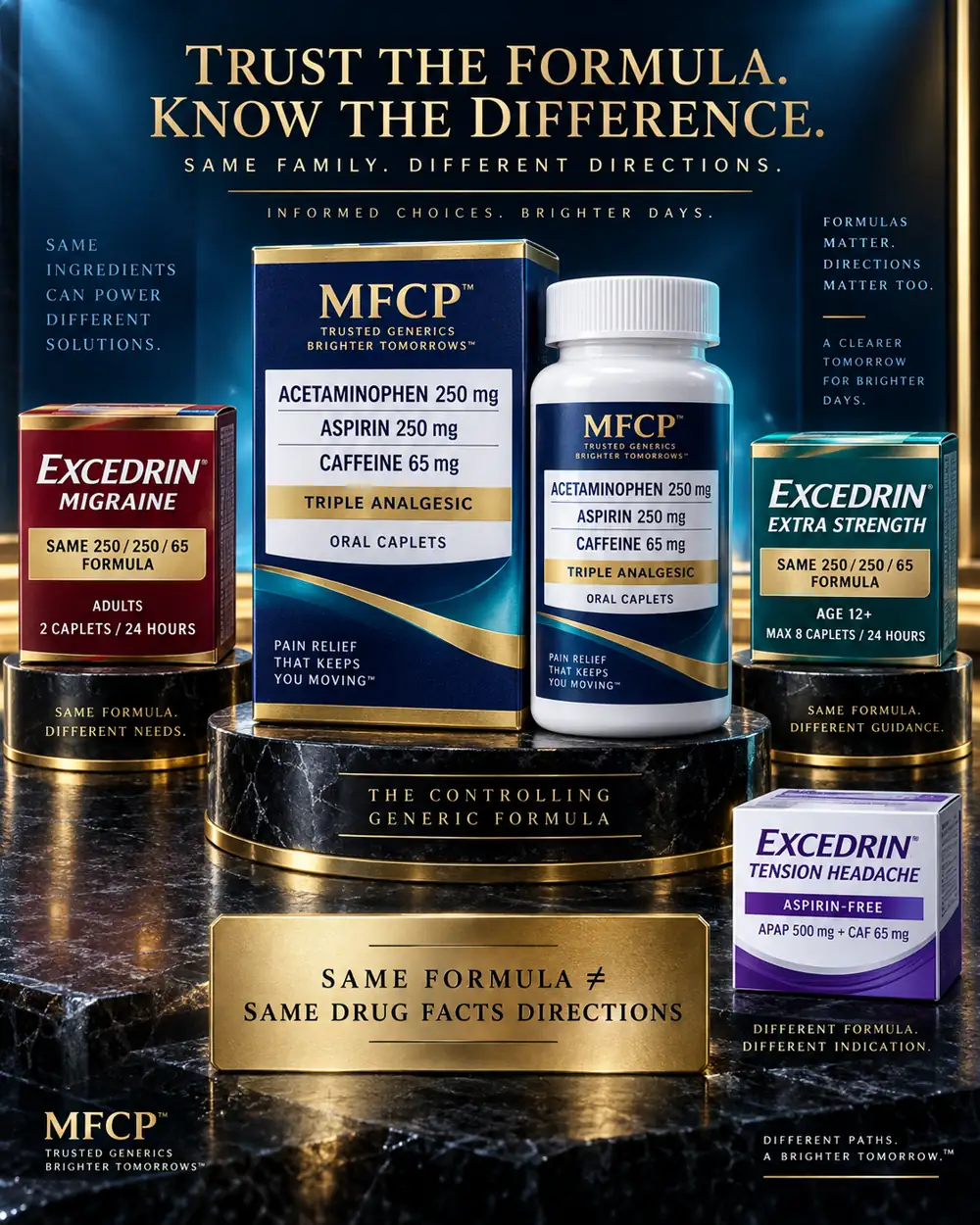
A familiar name may cover several different formulas. Find the ingredients first, then check the dose, other medicines, and the reason for use.
Migraine and Extra Strength list acetaminophen, aspirin, and caffeine in the same amounts per caplet, but their directions differ. Tension Headache has no aspirin.
The packet is a dosage form. Read each brand’s own active-ingredient panel for aspirin, acetaminophen, and caffeine before adding another pain medicine.
“Backache” tells you what it is sold for. Doan’s Maximum Strength contains magnesium salicylate, a salicylate to count when checking other medicines.
Phenazopyridine relieves urinary discomfort. It does not treat the infection that may be causing the symptoms.
Check how much caffeine is already in a headache medicine before adding coffee, energy drinks, or another combination product.
Pain, cold, sleep, migraine, and prescription medicines may contain the same active ingredient. Count all doses taken within 24 hours.
| Patient factor | Why it matters | Controlled action |
|---|---|---|
| Kidney disease or low fluids | NSAIDs can reduce kidney blood flow and worsen fluid problems. | Ask before an NSAID. |
| Liver disease or regular alcohol use | Acetaminophen can cause severe liver injury when too much is taken. | Ask for an individual limit and count all sources. |
| Heart disease or high blood pressure | NSAIDs may increase blood pressure, fluid retention, heart attack, or stroke risk. | Ask before use and use the shortest approved course. |
| Ulcer or blood thinner | NSAIDs and aspirin can increase stomach bleeding risk. | Ask before use; get help for black stool or vomiting blood. |
| Asthma or prior NSAID reaction | An NSAID can cause a serious reaction in some people. | Do not retry without professional advice. |
| Age 60 or older | Bleeding and kidney risk rise with age and other illness. | Do not assume an OTC drug is low risk. |
| Pregnancy | NSAID timing matters; FDA advises avoiding NSAIDs at 20 weeks or later unless specifically advised. | Ask a health professional before use. |
MFCP uses current package labeling as the final product control. The links below provide primary federal label and safety references; verify the exact package in hand before use.
 Non-inflammatory
 Check the formula
 Do not self-treat
 Acetaminophen vs. an NSAID
 Interaction
 Current label
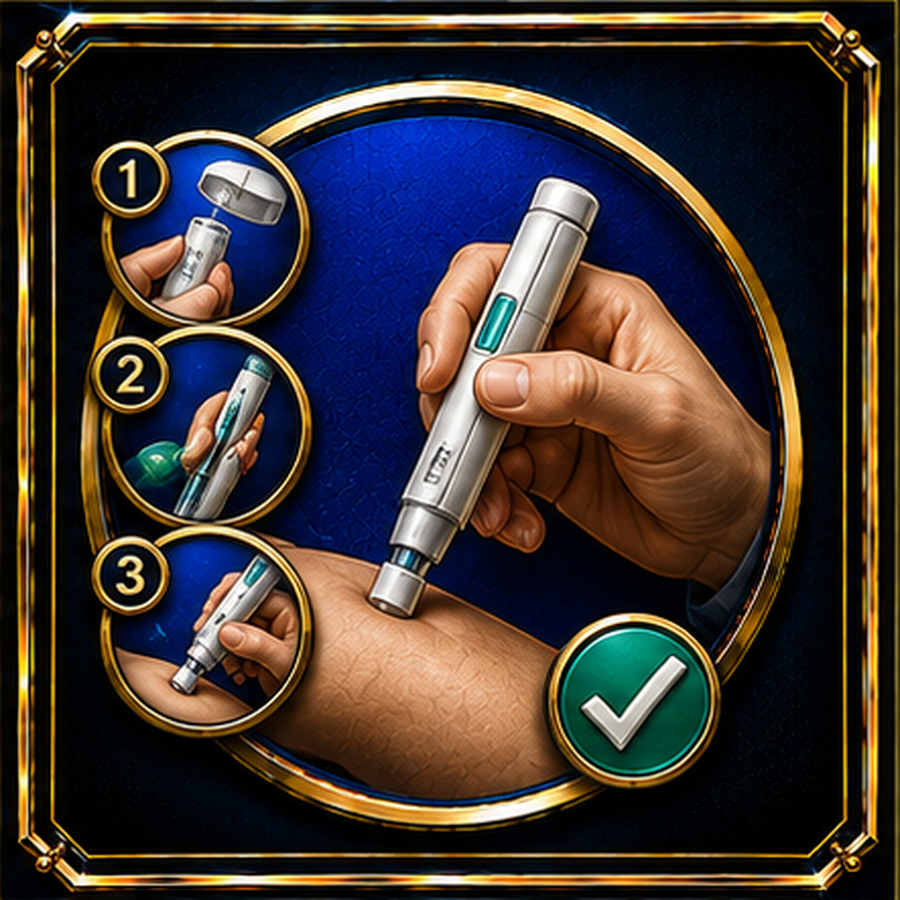 Topical Analgesics: Treat the Site
 The 60-Second Pain-Shelf Check
 Evidence and Current Labels