
Which Pain Reliever?Clinical Selection Guide™
Name the problem first. Match the medicine to the task. Check the person. Verify the exact Drug Facts label before use.
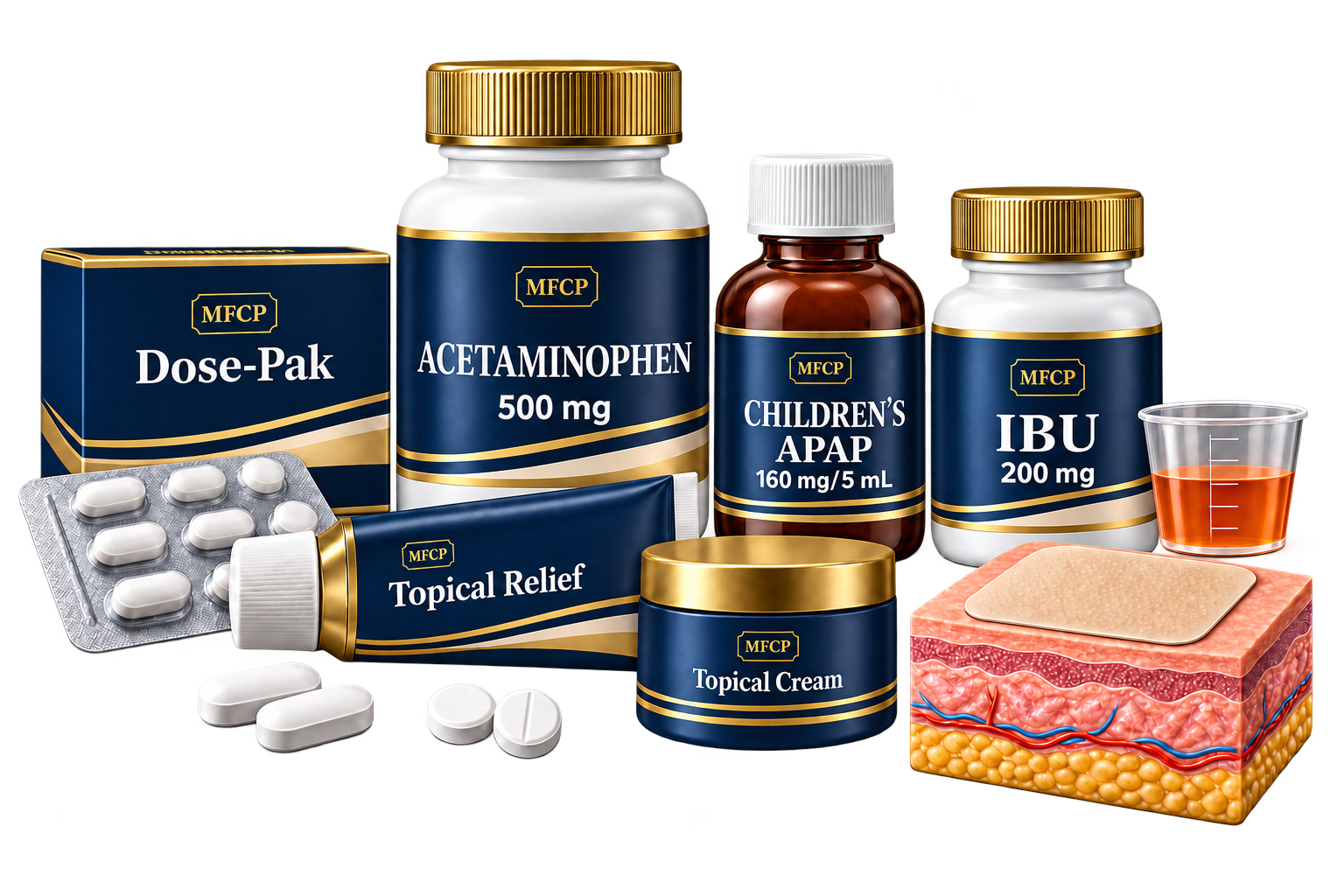
The decision begins before the brand.
Fever, pain without swelling, pain with inflammation, headache, and localized arthritis do not always call for the same medicine. The selection process begins with the symptom and body site.
The carton remains the final authority.
Formulas, strengths, age limits, warnings, and directions can differ within the same brand family.
Recognize the form before comparing the medicine
Each form carries its own directions, measurement method, body-site limits, and safety controls.
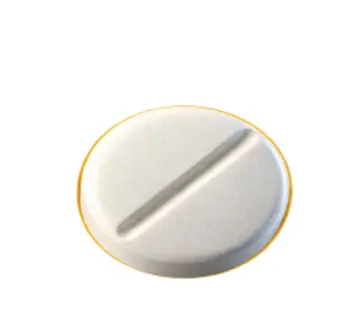 Immediate-release
Examples: acetaminophen 500 mg or ibuprofen 200 mg tablet or caplet.
 Extended-release
Outer layer immediate release Inner core extended release
Example: acetaminophen 650 mg ER. Swallow whole; do not crush, split, chew, or dissolve.
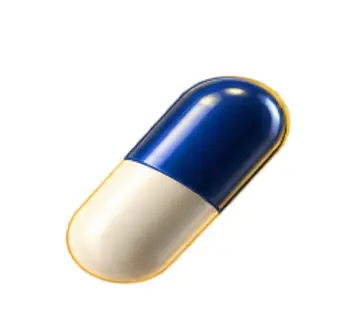

Examples: ibuprofen 200 mg or naproxen sodium 220 mg liquid-filled capsule.
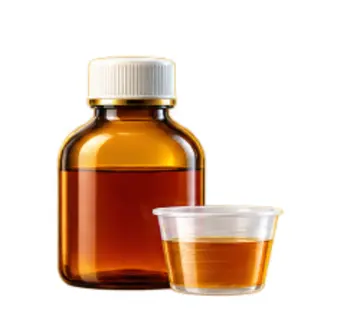 Measured liquid
The exact mg per mL and supplied dosing device control the amount.
 Topical
Example: diclofenac 1% gel. Body site and measured amount matter.
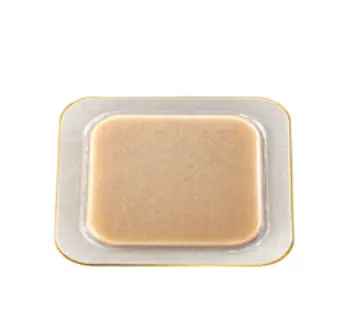 Patch
Example: lidocaine patch. Verify patch count, wear time, and heat warnings.
Decision Foundation
Define the problem, compare the purpose, and verify the active ingredient.
Start With the Problem
Recognize before you select.
Fever
- Consider acetaminophen, ibuprofen, or naproxen.
- Check age, health conditions, and duplicate ingredients.
Pain without swelling
- Acetaminophen may fit.
- It relieves pain but does not reduce inflammation.
Pain with swelling
- Ibuprofen or naproxen may fit.
- Screen for stomach, kidney, heart, blood-pressure, and pregnancy risks.
Localized arthritis pain
- Diclofenac 1% gel treats arthritis pain in labeled joints.
- It is not labeled for the back, hip, or shoulder.
Headache
- Check the pattern, frequency, and warning signs.
- Track treatment days to prevent medication overuse.
Minor localized pain
- Choose a cream, gel, or patch labeled for the condition.
- Verify the ingredient, body site, wear time, and duration.
- Name the symptom and exact body site.
- Record when it started and how long it has lasted.
- Note whether swelling is present.
Clinical Selection Map
Compare the purpose before the brand.
Acetaminophen
Pain or fever when anti-inflammatory action is not needed.
- Count every acetaminophen or APAP source.
- Review liver disease and alcohol use.
Do not duplicate acetaminophen.
Ibuprofen
Pain, fever, and inflammation.
- Check bleeding, kidney, heart, blood-pressure, and pregnancy risks.
- Ask about daily low-dose aspirin.
Use only one systemic NSAID.
Naproxen
Longer-lasting pain and inflammation relief.
- Apply the full NSAID safety screen.
- Do not combine with ibuprofen or pain-dose aspirin.
A longer interval does not remove NSAID risk.
Aspirin
Pain or fever only when the exact product and purpose are clear.
- Do not use in a child or teen with a viral illness.
- Keep cardiovascular use separate from pain dosing.
Do not change prescribed aspirin on your own.
Diclofenac 1% gel
For arthritis pain in labeled joints. Follow the measured dose, exact body site, and duration on the Drug Facts label.
Lidocaine patch
For minor localized pain. Verify patch count, wear time, heat, skin, and disposal warnings on the exact package.
Know the Medicines
Verify the active ingredient—not only the brand name.
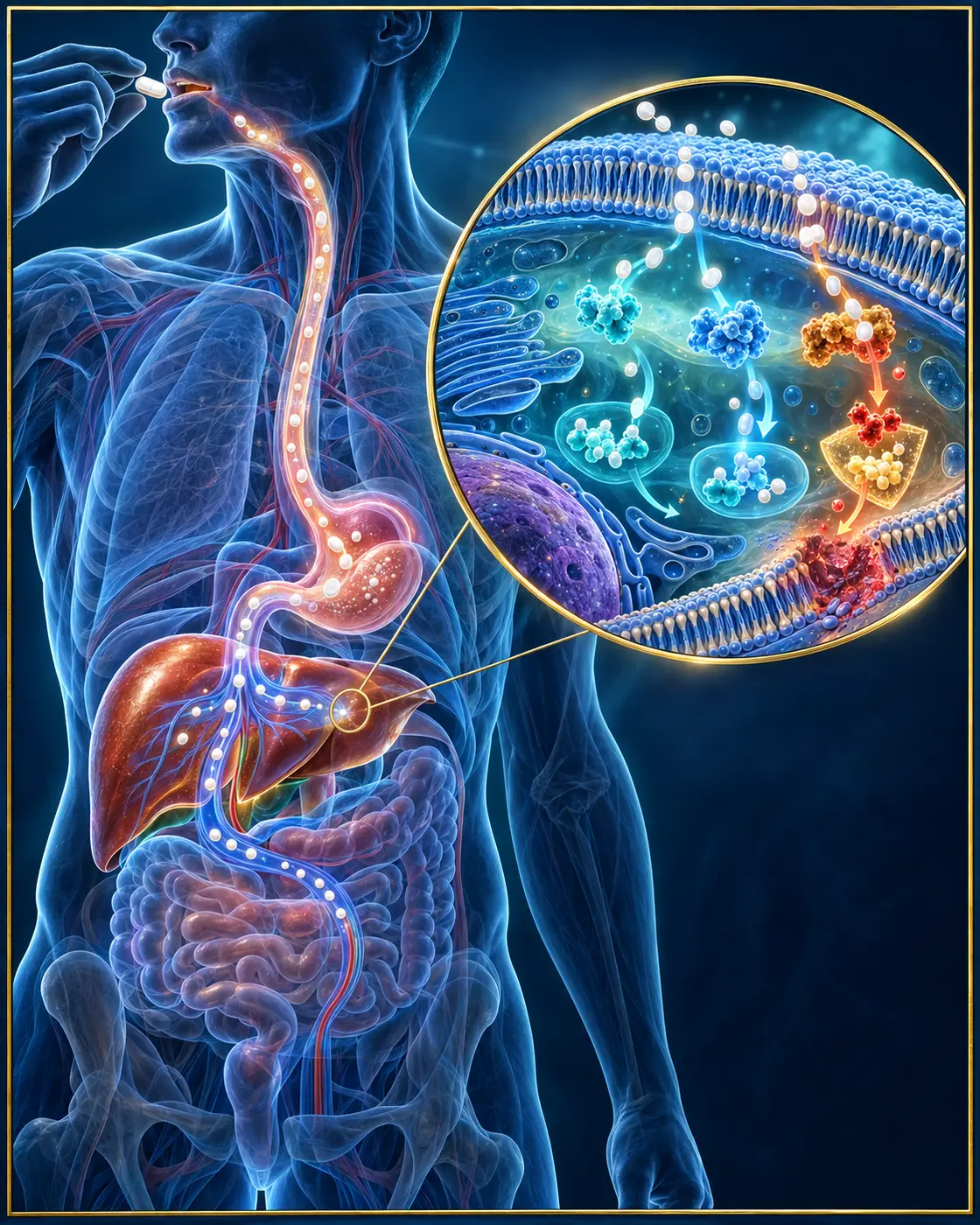
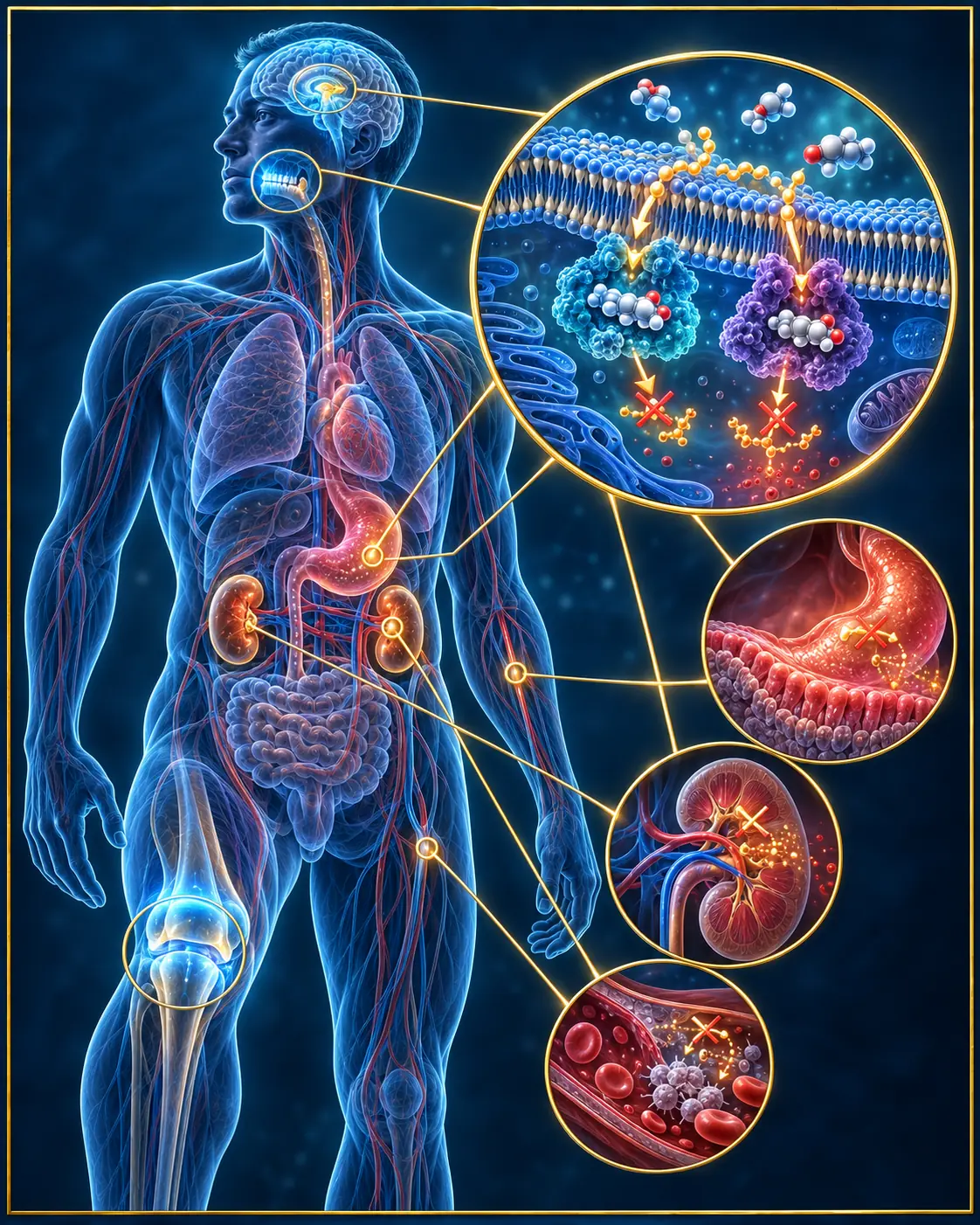
What is an NSAID?
NSAID means nonsteroidal anti-inflammatory drug.
NSAIDs reduce pain, fever, and inflammation.
One systemic NSAID at a time
- Ibuprofen
- Naproxen
- Pain-dose aspirin
- Diclofenac
Acetaminophen
Relieves pain and reduces fever, but does not provide the same anti-inflammatory action.
Read before dosing
- Active ingredient and strength
- Dosage form and route
- Interval and 24-hour limit
Dose Control
Match the exact product, dosage form, concentration, interval, and 24-hour limit.
Dose and Label Control
The exact product, concentration, and dosage form control the dose.
Representative solid-dose products · age 12+
| Representative OTC product | Dosage-form example | Typical label direction, age 12+ | 24-hour ceiling |
|---|---|---|---|
| Acetaminophen 500 mg |
IR caplet
|
|
6 tabletson the linked label |
| Acetaminophen 650 mg ER |
ER caplet
Outer: immediate release Core: extended release |
|
6 capletsin 24 hours |
| Ibuprofen 200 mg |
IR tablet
Liquid-filled capsule
|
|
6 tabletsin 24 hours |
| Naproxen sodium 220 mg |
IR tablet
Liquid-filled capsule
|
|
3 tabletsin 24 hours |
| Aspirin 325 mg |
Tablet
|
Directions vary | Verifythe exact carton |
| Aspirin form control: Plain, coated, buffered, and enteric-coated products are not interchangeable by appearance. Read the exact Drug Facts label before use. | |||
Representative adult OTC liquid · age 12+
| Product and concentration | Label direction | 24-hour ceiling |
|---|---|---|
|
Liquid Acetaminophen liquid 500 mg per 15 mL |
|
|
- The adult liquid concentration is 500 mg per 15 mL.
- A 30 mL dose contains 1,000 mg acetaminophen.
- Do not transfer the tablet count or a children’s-liquid volume to this product.
Children’s OTC liquids · use the exact weight band
| Weight and age | Acetaminophen 160 mg per 5 mL | Ibuprofen 100 mg per 5 mL |
|---|---|---|
| 24–35 lb · age 2–3 | 5 mL | 5 mL |
| 36–47 lb · age 4–5 | 7.5 mL | 7.5 mL |
| 48–59 lb · age 6–8 | 10 mL | 10 mL |
| 60–71 lb · age 9–10 | 12.5 mL | 12.5 mL |
| 72–95 lb · age 11 | 15 mL | 15 mL |
| Repeat and maximum | Every 4 hours; no more than 5 doses in 24 hours | Every 6–8 hours; no more than 4 doses in 24 hours |
- Confirm the active ingredient and concentration before measuring.
- Use weight when the label supplies a weight band; otherwise use age.
- Shake suspensions before measuring.
- Use only the enclosed dosing device—never a household spoon.
- The linked children’s labels do not provide complete adult directions. Do not calculate an adult liquid dose from the child chart.
- No naproxen or aspirin liquid row is shown because a matching verified OTC liquid instruction was not established for this table.
Condition Pathways
Use the clinical pathway that matches the symptom pattern and body site.
Fever
Treat the person—not only the number.
- Acetaminophen, ibuprofen, naproxen, and aspirin labels include fever reduction.
- Stop and ask a doctor if fever gets worse or lasts more than three days.
- Do not use aspirin in a child or teen with flu-like symptoms or chickenpox because of the risk of Reye’s syndrome.
Pain With or Without Inflammation
Match the medicine—and protect the organ.
Two pain-reliever paths. Two organs to protect.
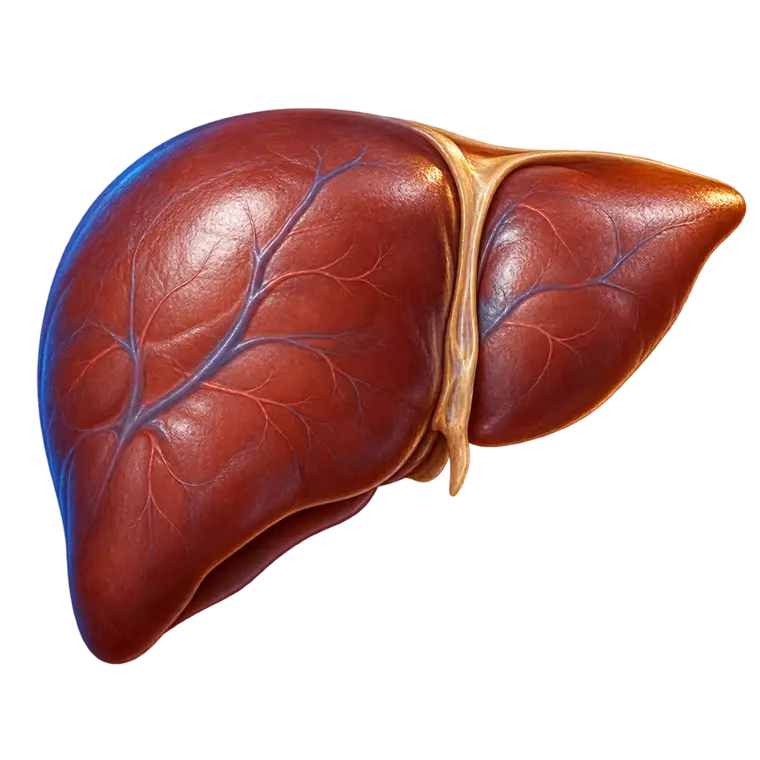
Acetaminophen
Also called APAP · Tylenol
- Too much can badly injure the liver.
- A severe overdose can cause liver failure or death.
- Two products may contain acetaminophen without looking alike.
- Liver disease or three or more alcoholic drinks a day raise the risk.
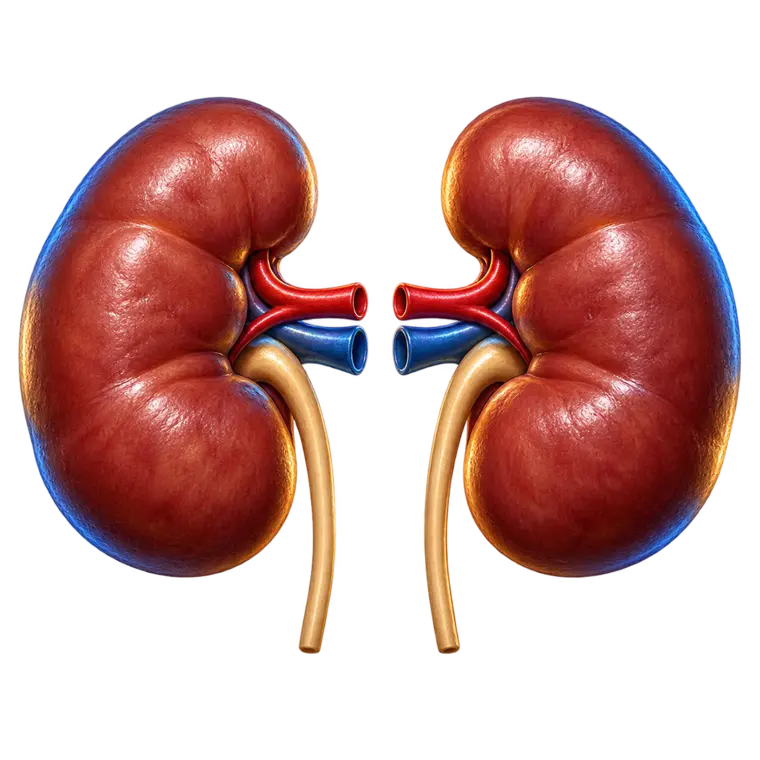
NSAIDs
Advil / Motrin · Aleve · Aspirin for pain
- NSAIDs can reduce blood flow to the kidneys.
- They can cause sudden kidney injury. Severe injury can lead to kidney failure.
- Hard training, heat, heavy sweating, vomiting, or diarrhea can cause dehydration—and raise the risk.
- Kidney disease, diabetes, high blood pressure, and older age also raise the risk.
- Pain without swelling may respond to acetaminophen.
- Pain with swelling may respond to ibuprofen or naproxen.
- Complete the NSAID safety screen before choosing an NSAID.
Migraine, Aura and Medicine Compatibility
Recognize the phase. Reconcile every medicine taken in the same 24 hours.
Prodrome
- May begin hours or up to a day before headache.
- Possible signs include yawning, mood change, food craving, neck discomfort, fluid retention, or increased urination.
Aura
- May cause flashing lights, zigzag lines, blind spots, tingling, speech difficulty, or other temporary neurologic symptoms.
- Aura may occur before or during headache—and migraine can occur without aura.
Headache
- Often causes throbbing pain, nausea, and sensitivity to light, sound, or odors.
- Use the patient’s prescribed acute-treatment plan.
Postdrome
- Fatigue, weakness, or difficulty concentrating may continue after pain improves.
- Record the complete attack—not only the pain period.
- First-ever aura, a major change in aura, symptoms lasting longer than usual, one-sided weakness, persistent speech trouble, fainting, or symptoms unlike the established pattern require urgent assessment.
- Do not assume every visual or neurologic symptom is migraine.
Prescription acute-migraine medicines: 24-hour quantities and OTC add-on decisions
- Did the prescription medicine provide adequate relief?
- Does the prescription already contain an OTC-class pain reliever?
- Is an OTC add-on supported by the label or trial protocol—or merely not known to interact?
- Does the patient pass the acetaminophen or NSAID safety screen?
| Prescription medicine | Label-based quantity in 24 hours | Same-day compatibility controls |
|---|---|---|
| Sumatriptan tablets |
|
|
| Rizatriptan tablets or ODT |
|
|
| Ubrogepant tablets |
|
|
| Rimegepant ODT |
|
|
| Lasmiditan tablets |
|
|
| Sumatriptan 85 mg / naproxen 500 mg |
|
|
Can an OTC pain reliever be added?
| Prescription regimen | OTC add-on decision | Safe-use and effectiveness boundary |
|---|---|---|
| Sumatriptan alone |
CONDITIONAL
|
|
| Rizatriptan alone |
PLAN CONTROLLED
|
|
| Ubrogepant |
COMPATIBLE—THEN VERIFY THE PLAN
|
|
| Rimegepant ODT |
TRIAL-SUPPORTED RESCUE AFTER 2 HOURS
|
|
| Lasmiditan |
RESCUE WAS ALLOWED AFTER 2 HOURS
|
|
| Sumatriptan 85 mg / naproxen 500 mg |
DO NOT ADD ANOTHER NSAID
|
|
- Label- or trial-permitted means the combination was allowed under defined conditions.
- No known pharmacokinetic interaction means one medicine did not meaningfully change the measured exposure of the other.
- Neither statement alone proves added benefit, individual safety, or permission to self-treat.
Compatibility with pain medicines
Acetaminophen
- Does not duplicate an NSAID.
- Still count acetaminophen or APAP in every prescription and OTC product.
- Liver disease and alcohol use change the decision.
Ibuprofen, naproxen or aspirin for pain
- Do not stack systemic NSAIDs.
- Check whether the prescription migraine product already contains naproxen.
- Screen bleeding, stomach, kidney, heart, blood-pressure, and pregnancy risks.
Daily low-dose aspirin
- Keep cardiovascular aspirin separate from pain-dose aspirin.
- Ask a pharmacist or prescriber before adding an NSAID.
- Do not stop prescribed aspirin on your own.
Opioid or butalbital combinations
- Do not add them casually as rescue therapy.
- They may increase sedation, dependence, and medication-overuse headache risk.
- Count every acetaminophen component.
Same-24-hour medicine ledger
- Write the product, active ingredient, strength, dose, and exact time taken.
- Total each active ingredient separately—including every ingredient inside combination products.
- Compare each total with that product’s prescription label or Drug Facts limit.
- Check class duplication: triptan + triptan, ergot + triptan, or NSAID + NSAID.
- Do not treat unused “headroom” under a maximum as permission to take another dose.
- Two sumatriptan/naproxen 85/500 mg tablets in one day total 170 mg sumatriptan and 1,000 mg naproxen.
- That naproxen must be counted before any OTC pain medicine is considered.
- Adding Aleve, Advil, Motrin, or pain-dose aspirin would duplicate the NSAID class.
Medication-overuse control
| Medicine pattern | Possible overuse threshold |
|---|---|
| Simple pain relievers | 15 or more treatment days per month for more than 3 months |
| Triptans, ergots, opioids, or combination pain relievers | 10 or more treatment days per month for more than 3 months |
Topical Options
Body site, condition, and duration control the choice.
Diclofenac gel is an anti-inflammatory pain reliever labeled for arthritis pain in the hand, wrist, elbow, foot, ankle, or knee. It is not labeled for the back, hip, or shoulder.
The label does not cover strains, sprains, bruises, or sports injuries. Apply the gel four times daily to no more than two body areas. Relief may take up to seven days. Do not use it longer than 21 days unless a doctor directs you. Ask a doctor before use in anyone under age 18.
Lidocaine patches numb a local area. Patch count, wear time, heat warnings, and age directions differ by product.
Gels vs. Patches: How the Medicine Reaches the Skin
Topical gels
A gel spreads medicine across a measured skin area. The medicine moves from the gel into the outer skin, then toward nearby tissue. The amount absorbed depends on the ingredient, dose, body site, skin condition, area covered, and number of applications.
Where gels fit
- Contoured or moving areas where a patch may lift.
- Body sites specifically named on the product label.
- Products that require repeat application, such as diclofenac gel four times daily.
Use control
Measure each dose with the supplied guide when required. Let the gel dry. Wash hands as directed. Do not add heat, a tight covering, or another topical product unless the label allows it.
Topical patches
A patch holds medicine against one defined area. The backing protects the medicated layer and limits rubbing or transfer. Patch design and drug release differ by product, so a patch is not automatically “transdermal” and does not always deliver medicine at a constant rate.
Where patches fit
- Small, localized areas on clean, dry, intact skin.
- Flatter areas where the patch can stay attached.
- Products with a label-defined patch count and wear time.
Use control
Do not assume an 8- or 12-hour schedule. Follow the exact carton. Do not use a heating pad or tight bandage over a patch. Remove it for burning, marked redness, or irritation.
| Decision point | Gel | Patch |
|---|---|---|
| Area covered | Measured amount spread across a labeled area | Fixed patch placed on one labeled area |
| Best physical fit | Curved or moving surfaces, when allowed by the label | Clean, dry, flatter skin where adhesive can hold |
| Schedule | Ingredient-specific; diclofenac gel is used four times daily | Product-specific patch count and wear time |
| Main handling issue | Measuring, drying, hand washing, and transfer | Adhesion, skin irritation, patch removal, and disposal |
| Heat or covering | Do not add heat or occlusion unless the label permits it | Do not use heating pads or tight bandages over the patch |
| Systemic exposure | Often lower than an oral medicine, but not zero. Ingredient, dose, skin area, duration, damaged skin, and heat can change absorption. | |
Safety and Access Controls
Clear patient-specific risks before product selection or purchase.
Safety Gate
Check the person before the product.
Liver risk
Count all acetaminophen sources. Alcohol use and liver disease change the decision.
Bleeding or ulcer risk
NSAIDs and aspirin may raise bleeding risk, especially with anticoagulants or prior ulcers.
Kidney, heart, or blood pressure risk
NSAIDs can worsen fluid retention, blood pressure, kidney function, or heart failure.
Allergy or asthma
A prior reaction to aspirin or an NSAID may rule out the entire class.
Duplicate therapy
Cold, flu, sleep, and combination pain products may repeat the same ingredient.
Duration
Pain that persists, changes, or requires repeated treatment needs reassessment.
Special Populations
Age, pregnancy, and medical history change the pathway.
| Person | Control point |
|---|---|
| Pregnancy | Avoid NSAIDs at 20 weeks or later unless a clinician specifically directs use. |
| Breastfeeding | Product, dose, infant age, and duration require individual review. |
| Older adults | Kidney function, ulcer history, blood thinners, blood pressure, and heart failure matter. |
| Children | Use the child’s weight, the exact liquid concentration, and the correct measuring device. Do not estimate. |
MFCP Buying Standard
The commercial pathway begins only after the clinical decision.
The retailer may change. The evidence, identity standard, and safety guidance do not. A product link is eligible only when it matches the medicine already selected.
Evidence Control
Keep dosing, compatibility, and product directions connected to their source.
Linked Evidence Register
Clinical terms, 24-hour quantities, and product directions remain connected to source material.
- DailyMed: acetaminophen 500 mg Drug Facts label
- DailyMed: adult acetaminophen liquid 500 mg per 15 mL
- DailyMed: children’s acetaminophen suspension 160 mg per 5 mL
- DailyMed: children’s ibuprofen suspension 100 mg per 5 mL
- DailyMed: ibuprofen 200 mg Drug Facts label
- DailyMed: naproxen sodium 220 mg Drug Facts label
- FDA: NSAID Medication Guide
- DailyMed: diclofenac sodium topical gel 1%
- DailyMed: representative lidocaine 4% patch label
- FDA: transdermal and topical delivery systems
- FDA: NSAID use in pregnancy at 20 weeks or later
- NIH MedlinePlus: migraine phases, aura, symptoms, and treatment overview
- FDA prescribing information: sumatriptan tablets
- FDA prescribing information: rizatriptan tablets and ODT
- FDA prescribing information: ubrogepant tablets
- FDA prescribing information: rimegepant ODT
- FDA prescribing information: lasmiditan tablets
- FDA prescribing information: sumatriptan/naproxen tablets
- International Classification of Headache Disorders: medication-overuse headache
- This is a representative label-based reconciliation tool—not a complete list of every migraine product, formulation, or interaction.
- The exact prescription label, patient-specific treatment plan, and current medicine list control use.
- This guide does not replace diagnosis, emergency evaluation, or individualized medical care.