
Name every product
Prescription and OTC cold, flu, sleep, migraine, and pain products can contain acetaminophen.

Part of the guide: Top 20 OTC Medicines for Ear and Balance Self-Care →
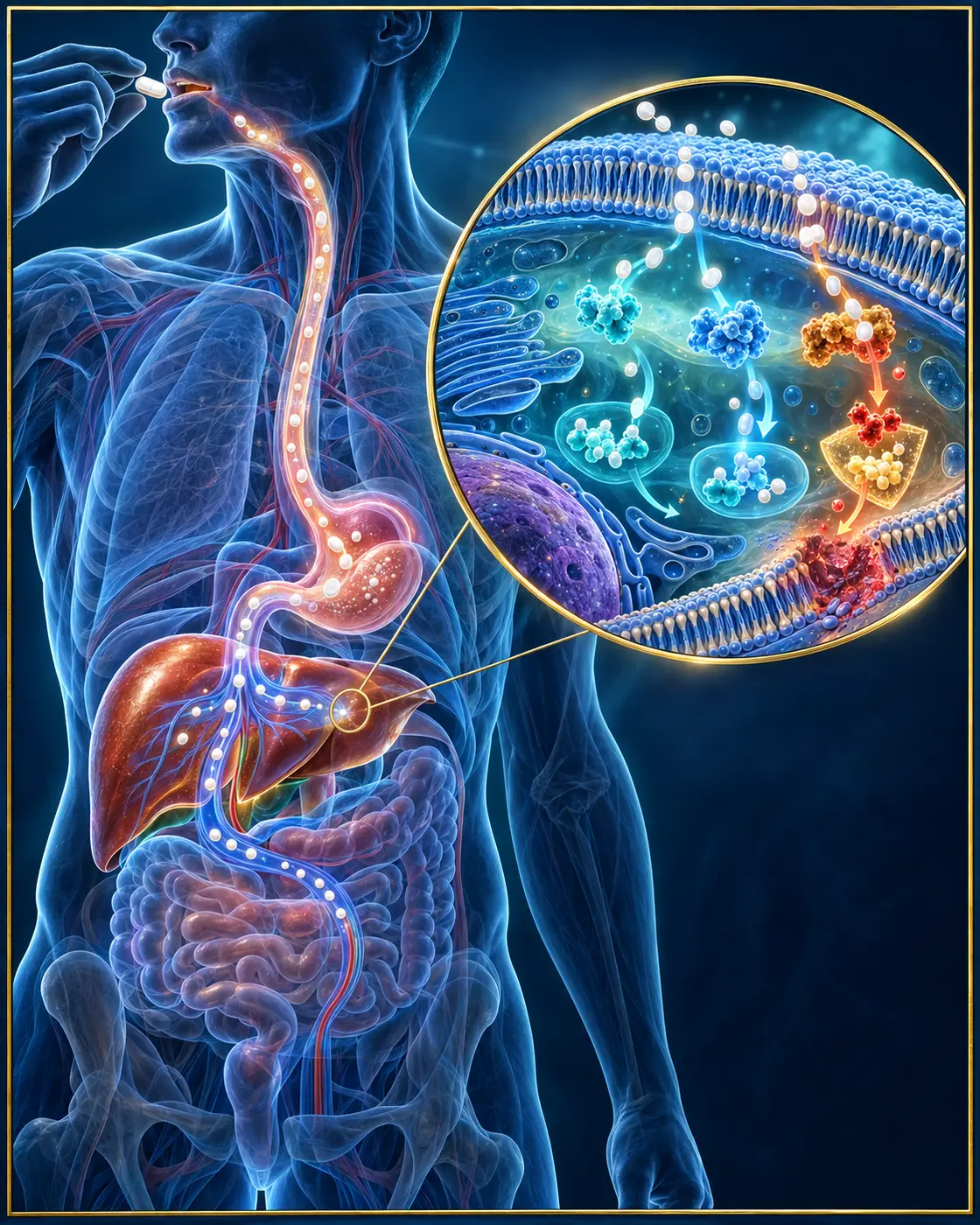

Widely used for pain and fever. The preventable danger is hidden duplication across products—and the exact package remains the control.
Start with identity. Finish with the current label.
Prescription and OTC cold, flu, sleep, migraine, and pain products can contain acetaminophen.
APAP, acetaminophen, and paracetamol are the same active ingredient for total-dose purposes.
Strength, interval, age gate, duration, and product maximum are not interchangeable.
Relief of pain and fever without NSAID anti-inflammatory action.
Also called paracetamol; APAP may appear on prescription labels.
It is not an NSAID and has little peripheral anti-inflammatory effect.
Headache, toothache, muscle ache, backache, menstrual pain, and fever.
It may fit when NSAID stomach, kidney, bleeding, heart, or pregnancy concerns matter.
A practical timeline—not a promise of response.
No single website number replaces the Drug Facts panel.
The brand family does not define the formula.
Acetaminophen may be paired with cough, congestion, or antihistamine ingredients.
A sedating ingredient can distract from the acetaminophen already present.
Acetaminophen may appear with aspirin and/or caffeine. Verify each formula.
Some opioid combinations use APAP in the name or instructions.
Goody’s and BC formulas differ. Read every active-ingredient panel.
Count it toward the same total when products cross markets.
Symptoms may be absent early. Do not wait.
Excess acetaminophen can cause liver failure and death.
FDA warns severe liver damage may occur when this exposure is combined with acetaminophen use.
A clinician should determine whether acetaminophen is appropriate and whether a lower limit is needed.
The patient can change the decision even when the indication fits.
| Patient factor | Why it matters | Controlled action |
|---|---|---|
| Child | Dose and liquid volume depend on the specific age/weight directions and concentration. | Use the supplied device; do not use an adult product for a child under 12 unless directed. |
| Pregnancy or breastfeeding | Medicine use requires an individual benefit-risk decision. | Ask a health professional before use; use only as directed. |
| Liver disease | Acetaminophen is processed by the liver and overdose can cause severe injury. | Ask a clinician before use and obtain an individual limit. |
| Warfarin | Regular use may alter anticoagulant effect. | Ask the clinician or pharmacist managing anticoagulation. |
| Regular alcohol exposure | The liver-warning threshold appears on Drug Facts labels. | Ask before use; do not exceed the exact label. |
| Older adult or frailty | Lower body weight, nutrition, liver status, and multiple medicines can reduce margin for error. | Reconcile all products and confirm the dose with a clinician or pharmacist. |
Different name. Same ingredient. Formula still requires verification.
Single-ingredient and combination products vary by strength and formulation.
Brand availability and child formulations vary by market.
Read the active ingredients and strength; a familiar name does not establish equivalence.
Confirm local package directions and combination ingredients.
The abbreviation counts as acetaminophen in the total.
Do not match products by package color, indication, or brand familiarity.
The preventable failures are identification and arithmetic failures.
Both may contain acetaminophen even when the front labels emphasize different symptoms.
Never compensate by exceeding the dose or shortening the required interval.
Acetaminophen can reduce pain but has little anti-inflammatory effect.
For liquids, use the dosing device supplied with that exact product.
Brand families can contain different ingredients, strengths, and release forms.
Seek urgent guidance immediately; early absence of symptoms does not establish safety.
Short answers with explicit decision boundaries.
Acetaminophen treats pain and fever. Ibuprofen also reduces inflammation but carries NSAID-specific stomach, kidney, bleeding, heart, and pregnancy risks.
Use a clinician-directed schedule and separate written tracking. Improvised alternating increases timing and duplication errors.
Never exceed the product label. Also count all sources against FDA’s 4,000 mg adult total ceiling; a clinician may set a lower limit.
Ask a health professional before use. In a September 2025 notice, FDA discussed a possible association with neurodevelopmental conditions but stated that causation has not been established and contrary studies exist. If treatment is advised, use the lowest effective amount for the shortest necessary time.
Current labels outrank remembered numbers and brand familiarity.
Make the safe action obvious.
Check every medicine currently being used—not only pain relievers.
Write down the dose and time before another product is taken.
The exact label or a clinician-set lower limit governs the final decision.
Links already cited on this page.