Skip to content
MFCP mortar and pestle emblemMichael’s FormularyCLINICAL PERSPECTIVE™

Clinical library / Pain & fever

On this page
Open the original comprehensive reference
Michael’s Formulary & Clinical Perspective™ (MFCP)America’s OTC Pharmacy™ · Professional Judgment. Delivered.™

MFCP Clinical Perspective · Domain 03 · Pain, Fever, Inflammation

Caffeine in Pain Relievers

A three-part guide: count it, compare it, taper it

Some over-the-counter (OTC) headache and menstrual pain relievers contain caffeine (Haleon, 2024; Select Consumer Group, 2025b). This guide shows how that caffeine adds to coffee, tea, soda and energy drinks, and how to bring the total down (MFCP analysis).

The pills count, too

Caffeine can come from pain medicine, coffee, soda, tea, and energy drinks. Count all sources. Generic beverage artwork has no exact corporate logos. Read the actual product label.

The pills count as caffeine.

Two Excedrin caplets give 130 mg of caffeine (Haleon, 2024). At the Extra Strength 8-caplet daily maximum the pills alone give 520 mg, above the 400 mg a day the U.S. Food and Drug Administration (FDA) links with no usual harm in healthy adults (Haleon, 2024; U.S. Food and Drug Administration, 2024; MFCP analysis).

Three parts

Who it is forPart I: anyone using these products. Parts II and III: pharmacists and clinicians.
Related monographAcetaminophen, Aspirin and Caffeine carries the drug details.
SCOPE  Caffeine in OTC pain relievers, counted against everyday drinks. Prescription headache medicines and migraine prevention are outside this guide.
MFCP Clinical PerspectiveCaffeine in Pain RelieversSection 1 / 10
01

Part IPatient guide

Why caffeine is in pain medicine

Caffeine comparison

One Excedrin dose

2 caplets · 130 mg caffeineSame caffeine as 1⅝ reference cans
2 caplets130 mg caffeine
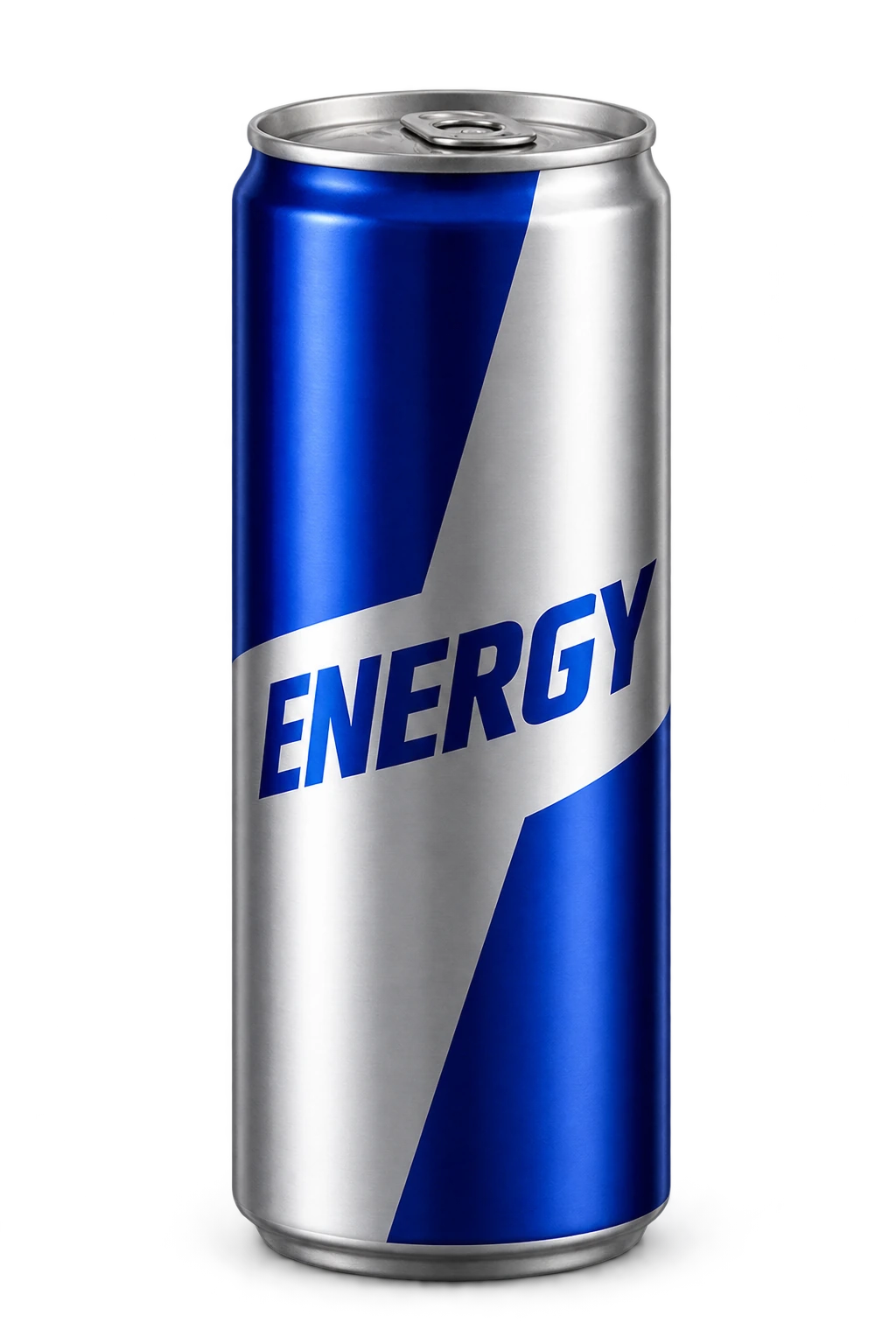
1⅝ reference cansGeneric can image · Red Bull reference: 8.4 fl oz · 80 mg each
130 mg ÷ 80 mg per can = 1.625 cans

Caffeine amount only. Drinks do not replace pain medicine. Follow the directions on your box.

Many headache and menstrual pain relievers add caffeine to the pain reliever (Haleon, 2024; Select Consumer Group, 2025b). It helps a little, and it adds up fast with coffee, tea, soda and energy drinks (Derry et al., 2014; U.S. Food and Drug Administration, 2024).

What it adds

A small boost

Adding 100 mg or more of caffeine helped 5 to 10 more people in 100 get good pain relief (Derry et al., 2014).

How it helps

Not fully settled

The reason caffeine helps is still studied; it is not just a blood vessel effect (MFCP analysis).

The catch

Hidden caffeine

Each Excedrin dose has about as much caffeine as a cup of coffee (Haleon, 2024).

Caffeine in common pain relievers

Product
Caffeine per caplet
Per dose
At the daily maximum
Excedrin Extra Strength
65 mg
130 mg (2 caplets)
520 mg (8 caplets)
Excedrin Migraine
65 mg
130 mg (2 caplets)
130 mg (2 caplets)
Midol Complete
60 mg
120 mg (2 caplets)
360 mg (6 caplets)
Excedrin Extra Strength, Excedrin Migraine and Midol Complete labels (GSK Consumer Healthcare, 2019; Haleon, 2024; Select Consumer Group, 2025b); totals calculated (MFCP analysis). Midol labels its caffeine as a diuretic (Select Consumer Group, 2025b).

Read the active ingredients box; the amounts and the daily limits differ by product (Haleon, 2024; Select Consumer Group, 2025b).

2 caplets × 65 mg = 130 mg

One Excedrin dose (Haleon, 2024). At the Extra Strength maximum of 8 caplets a day, the pills alone give 520 mg (Haleon, 2024; MFCP analysis).

MFCP Clinical PerspectiveCaffeine in Pain RelieversSection 2 / 10
02

Part IPatient guide

Three risks of stacking caffeine

400 mg is not a goal

The FDA figure applies to most adults. It is not a safe limit for every person. You may need much less.

Stacking caffeine from pills and drinks raises three risks: rebound headaches, too much caffeine, and harm for some people (MFCP analysis).

Risk 1

Rebound headaches

Headache medicine used 10 or more days a month can make headaches worse (GSK Consumer Healthcare, 2019).

Risk 2

Too much caffeine

Up to 400 mg a day is not usually linked to harm in healthy adults (U.S. Food and Drug Administration, 2024).

Risk 3

Not for everyone

Pregnancy, heart disease, high blood pressure and some medicines change the answer (American College of Obstetricians and Gynecologists, 2010; Haleon, 2024; U.S. Food and Drug Administration, 2026).

Signs of too much caffeine

  • Fast or pounding heartbeat (U.S. Food and Drug Administration, 2024)
  • Jitters, anxiety or trouble sleeping (U.S. Food and Drug Administration, 2024)
  • Upset stomach or nausea (U.S. Food and Drug Administration, 2024)
  • Headache (U.S. Food and Drug Administration, 2024)

Be careful, or ask first, if

1

Pregnancy: keep caffeine from all sources under 200 mg a day (American College of Obstetricians and Gynecologists, 2010).

2

Pregnancy: do not use aspirin products such as Excedrin at 20 weeks or later unless a doctor directs it (Select Consumer Group, 2025a).

3

Heart disease, high blood pressure or kidney disease: ask a doctor before Excedrin (Haleon, 2024).

4

Taking other medicines: some, such as fluvoxamine, slow how fast the body clears caffeine (U.S. Food and Drug Administration, 2026).

MFCP Clinical PerspectiveCaffeine in Pain RelieversSection 3 / 10
03

Part IPatient guide

Four rules for safe use

What these pictures mean

Same caffeine amount. Different products.

Never take extra caplets to match a drink. Pain medicine adds other drugs and risks. The pictures compare caffeine only.

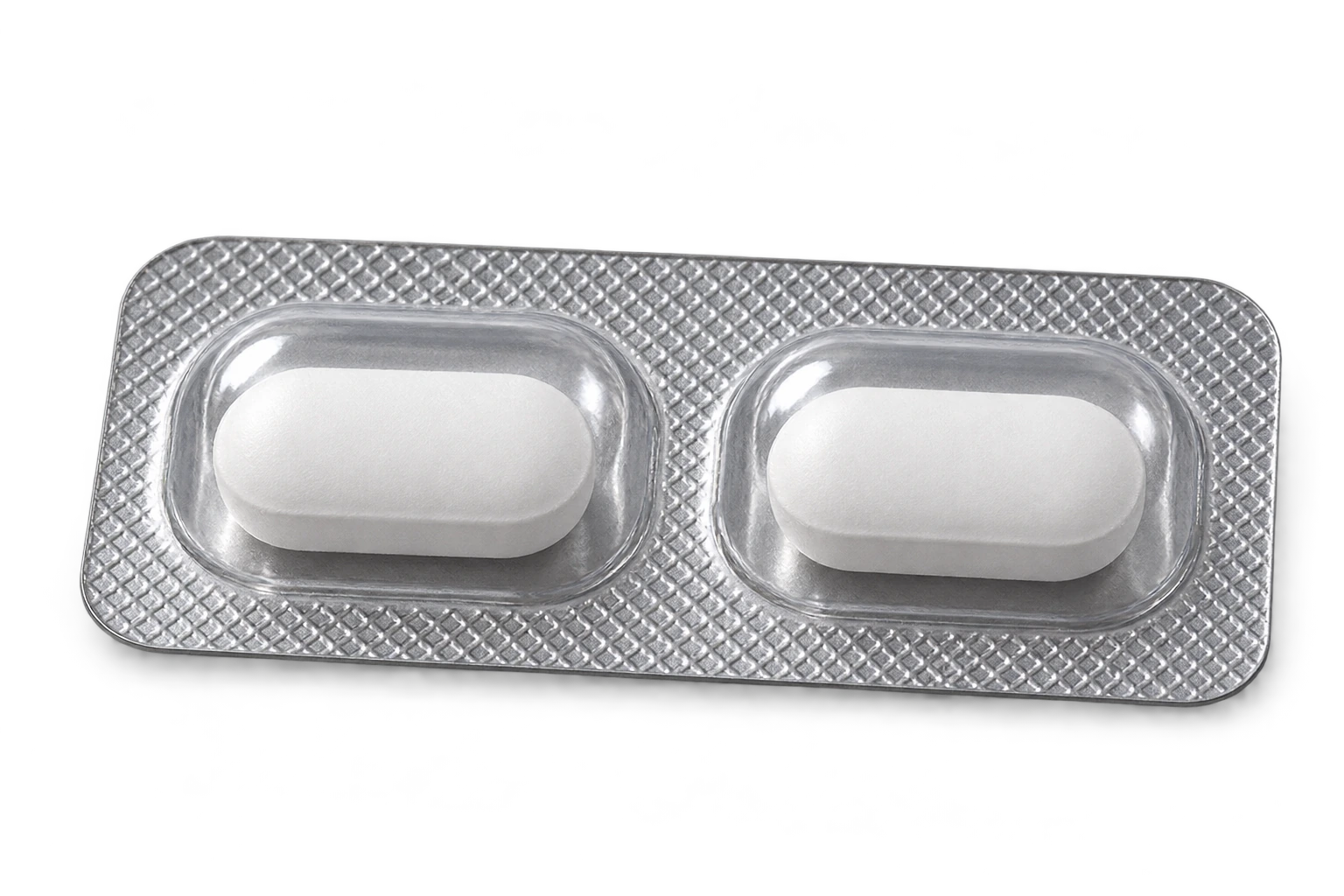
Caplets in foil cards are conceptual illustrations, with 2 caplets per illustrated card. Do not use their appearance to identify a medicine.

Four habits keep the caffeine in pain relievers from adding up (MFCP analysis).

Four rules

1

Read the Drug Facts box. If it lists caffeine, add it to your day (Haleon, 2024; Select Consumer Group, 2025b).

2

On days you take it, switch coffee, tea and soda to decaf or water, and skip energy drinks (MFCP analysis).

3

Take caffeine products before noon. For an evening headache, choose a pain reliever without caffeine (MFCP analysis).

4

Use caffeine pain relievers no more than 2 days a week. Needing them more often is a reason to see a clinician (MFCP analysis; GSK Consumer Healthcare, 2019).

Get care right away for

  • The worst headache of your life, or fever with a stiff neck (GSK Consumer Healthcare, 2019)
  • A headache after a head injury, or a first headache after age 50 (GSK Consumer Healthcare, 2019)
  • Too many pills: get help or call a Poison Control Center right away, even with no symptoms (Haleon, 2024)
  • A racing heart, chest pain or a seizure after caffeine (U.S. Food and Drug Administration, 2024)

The 2-day rule is MFCP guidance.

The Excedrin Migraine label warns at 10 or more days a month (GSK Consumer Healthcare, 2019). Headache experts define combination pain reliever overuse as 10 or more days a month for more than 3 months (Headache Classification Committee of the International Headache Society, 2018). The 2-day rule keeps a person well below that line (MFCP analysis).

MFCP Clinical PerspectiveCaffeine in Pain RelieversSection 4 / 10
04

Part IIClinician layer

The Excedrin equivalency

Caffeine comparison

One Midol Complete dose

2 caplets · 120 mg caffeineSame caffeine as 1½ reference cans
2 caplets120 mg caffeine
1½ reference cansGeneric can image · Red Bull reference: 8.4 fl oz · 80 mg each
120 mg ÷ 80 mg per can = 1.5 cans

Caffeine amount only. Drinks do not replace pain medicine. Caffeine-free Midol products are different formulas.

Patients count drinks as caffeine and pills as pain relief (MFCP analysis). Converting each drink into Excedrin doses makes the total visible (MFCP analysis).

1 Excedrin dose = 2 caplets = 130 mg

The anchor unit: 65 mg per caplet (Haleon, 2024).

Drink
Caffeine
Excedrin doses
Caplets
Starbucks Blonde Roast, grande, 16 oz
360 mg
2.8
5.5
Bang or Reign, 16 oz can
300 mg
2.3
4.6
Dunkin’ brewed coffee, medium, 14 oz
210 mg
1.6
3.2
Celsius 12 oz, or 5-hour Energy
200 mg
1.5
3.1
Starbucks caffè latte, grande
150 mg
1.2
2.3
Brewed coffee, 8 oz
70 to 100 mg
0.5 to 0.8
1.1 to 1.5
Red Bull, 8.4 oz
80 mg
0.6
1.2
Diet Coke, 12 oz
46 mg
0.35
0.7
Coca-Cola, 12 oz
34 to 38 mg
0.3
0.5 to 0.6
Caffeine values (Caffeine Informer, n.d.-b, n.d.-e, n.d.-f; Center for Science in the Public Interest, 2026). Doses = caffeine ÷ 130 mg; caplets = caffeine ÷ 65 mg (MFCP analysis).

The stacking example

Two Excedrin caplets (130 mg), a grande Blonde Roast (360 mg) and a Diet Coke (46 mg) total 536 mg before lunch (Caffeine Informer, n.d.-f; Center for Science in the Public Interest, 2026; Haleon, 2024; MFCP analysis). That is about 4.1 Excedrin doses, or 8.2 caplets of caffeine, and above the 400 mg daily figure (U.S. Food and Drug Administration, 2024; MFCP analysis). Expect jitters, a fast heartbeat or poor sleep; not every person will have them (U.S. Food and Drug Administration, 2024).

MFCP Clinical PerspectiveCaffeine in Pain RelieversSection 5 / 10
05

Part IIClinician layer

Older adults and interactions

People differ widely in how strongly caffeine affects them and how fast they clear it (U.S. Food and Drug Administration, 2024). Medicines and health conditions change what counts as too much (U.S. Food and Drug Administration, 2024).

Older adults

Count earlier, cut earlier

Use an earlier caffeine cutoff and lower targets when sleep, heart rhythm or blood pressure is a problem (MFCP analysis).

Bleeding

Age 60 and aspirin

Age 60 or older raises the stomach bleeding risk of aspirin products such as Excedrin (Haleon, 2024).

Kidneys and heart

Ask first

Excedrin users with heart, kidney or liver disease, or high blood pressure, should ask a doctor first (Haleon, 2024).

Medicines that slow caffeine clearance

Medicine
Effect on caffeine clearance
Practical step
Fluvoxamine
Strong slowing
Cut caffeine sharply; ask the prescriber
Ciprofloxacin
Moderate slowing
Lower caffeine during the course
Oral contraceptives
Moderate slowing
Count caffeine; expect stronger effects
Cimetidine
Weak slowing
Usually minor; count the total
Caffeine is listed as a sensitive substrate of the liver enzyme cytochrome P450 1A2 (CYP1A2); inhibitor strengths from the FDA table (U.S. Food and Drug Administration, 2026). Practical steps (MFCP analysis).
MFCP Clinical PerspectiveCaffeine in Pain RelieversSection 6 / 10
06

Part IIClinician layer

The step-down taper

Taper caffeine, not pain medicine by picture

Do not keep taking a pain reliever just to taper its caffeine. A clinician should plan care when headache medicine is used often. Count caffeine from both pills and drinks.

Caffeine withdrawal starts 12 to 24 hours after stopping, peaks within about 1 to 2 days, and lasts 2 to 9 days; headache occurs in about half of people (Juliano & Griffiths, 2004). A gradual step-down avoids a hard stop (MFCP analysis).

Step 1

Screen and refer

Daily headache, or headache medicine on 10 or more days a month: refer before any taper (GSK Consumer Healthcare, 2019; Headache Classification Committee of the International Headache Society, 2018).

Step 2

Count the baseline

Add every source in milligrams and in Excedrin doses (MFCP analysis).

Step 3

Step down

Lower caffeine by 50 to 75 mg every 3 to 5 days; no caffeine after noon (MFCP analysis).

Step 4

Hold the line

Stay under 100 mg a day, or none; recount headache days (MFCP analysis).

Stage
Daily ceiling
Swaps
What to expect
Week 1
250 to 300 mg
Stop energy drinks, pre-workouts and high-caffeine chain coffee. One 12 oz brewed coffee before noon.
Mild tiredness and a dull headache are common; withdrawal usually starts 12 to 24 hours after a cut (Juliano & Griffiths, 2004).
Week 2
150 to 200 mg
Half-caf or a single-shot latte in the morning. Stop sodas and sweet bottled teas.
Pain reliever on no more than 2 days this week, within label limits (MFCP analysis; Bayer HealthCare, 2025).
Week 3
75 to 100 mg
Black or green tea, or decaf coffee.
Symptoms from each step usually fade within 2 to 9 days (Juliano & Griffiths, 2004).
Week 4 on
Under 100 mg, or none
Water, herbal tea, occasional decaf.
Recount headache days; ongoing migraine needs a clinician to discuss prevention (MFCP analysis).
Example for a starting intake near 400 mg; start higher if the baseline is higher (MFCP analysis).

Bridge pain relief stays inside the label

Choosing a bridge is the clinician’s call (MFCP analysis). If naproxen sodium 220 mg is used: 1 tablet every 8 to 12 hours, no more than 3 in 24 hours (Bayer HealthCare, 2025). It still counts as a headache-medicine day (MFCP analysis).

MFCP Clinical PerspectiveCaffeine in Pain RelieversSection 7 / 10
07

Part IIIReference

Caffeine chart: coffee and tea

Coffee is a range, not a fixed unit

Your guide lists 70–100 mg in 8 fl oz of brewed coffee. Beans, brewing, and serving size change the amount.

Takeaway coffee counts, too

MFCP-branded concept takeaway cup with the Liberty Bell emblem. Cup size and coffee recipe change the caffeine amount; use the named serving in the table below.

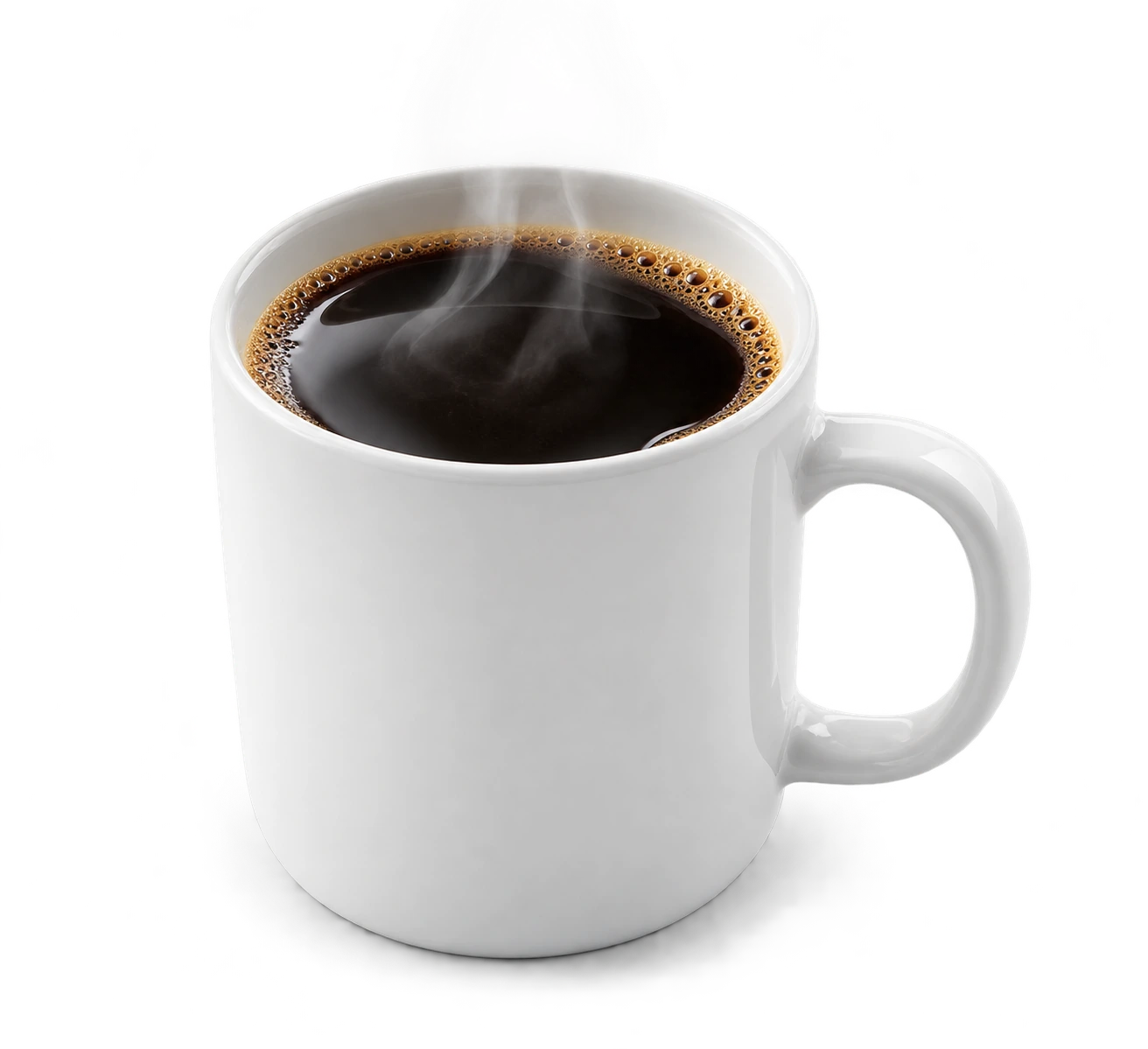
Concept caplet130 mg in 2 Excedrin capletsCompared withIllustrative coffee mug70–100 mg per 8-fl-oz brewed coffee

One 8-fl-oz cup in this range has less caffeine than the 2-caplet dose. This mug is illustrative; measure the serving.

Every number below has a source; brewed drinks vary with beans, grind and brew time (Center for Science in the Public Interest, 2026).

Item
Serving
Caffeine
Source
Home-brewed and traditional
Brewed (drip) coffee
8 oz
70 to 100 mg
Center for Science in the Public Interest, 2026
Espresso
1 shot
About 65 mg
Center for Science in the Public Interest, 2026
Black tea
6 oz
30 to 50 mg
Center for Science in the Public Interest, 2026
Green tea
6 oz
20 to 40 mg
Center for Science in the Public Interest, 2026
Decaf coffee
8 oz
Up to 15 mg
Center for Science in the Public Interest, 2026
Coffee shops
Starbucks Blonde Roast, grande
16 oz
360 mg
Caffeine Informer, n.d.-f
Starbucks Pike Place, grande
16 oz
310 mg
Caffeine Informer, n.d.-f
Starbucks cold brew, grande
16 oz
205 mg
Center for Science in the Public Interest, 2026
Starbucks caffè latte, grande
16 oz, 2 shots
150 mg
Center for Science in the Public Interest, 2026
Dunkin’ brewed coffee, medium
14 oz
210 mg
Caffeine Informer, n.d.-b
McDonald’s brewed coffee, medium
16 oz
About 145 mg, estimated
Caffeine Informer, n.d.-c
Chain recipes and cup sizes change; McDonald’s does not publish caffeine, so its figure is an estimate (Caffeine Informer, n.d.-c).
1 grande Blonde Roast = 2.8 Excedrin doses

360 mg ÷ 130 mg (Caffeine Informer, n.d.-f; Haleon, 2024; MFCP analysis).

MFCP Clinical PerspectiveCaffeine in Pain RelieversSection 8 / 10
08

Part IIIReference

Caffeine chart: energy drinks, sodas, medicines

Cola · Diet Cola · Citrus Soda

Generic artwork without exact brand logos. Reference servings: Coca-Cola Original, Diet Coke, and Mountain Dew Original, each 12 fl oz. Other formulas and sizes differ.

Cola34 mgCoca-Cola Original reference · 12 fl oz
Diet Cola46 mgDiet Coke reference · 12 fl oz
Citrus Soda54 mgMountain Dew Original reference · 12 fl oz
Item
Serving
Caffeine
Source
Energy drinks and shots
Bang; Reign
16 oz can
300 mg
Caffeine Informer, n.d.-e; Center for Science in the Public Interest, 2026
Celsius
12 oz can
200 mg
Center for Science in the Public Interest, 2026
5-hour Energy; Extra Strength
1.93 oz
200 mg; 230 mg
Caffeine Informer, n.d.-a; Center for Science in the Public Interest, 2026
Monster Energy; Monster Ultra
16 oz can
160 mg; 150 mg
Caffeine Informer, n.d.-d
Red Bull
8.4 oz can
80 mg
Center for Science in the Public Interest, 2026
Sodas
Mountain Dew
12 oz
54 mg
Center for Science in the Public Interest, 2026
Diet Coke
12 oz
46 mg
Center for Science in the Public Interest, 2026
Dr Pepper
12 oz
41 mg
Center for Science in the Public Interest, 2026
Coca-Cola or Coke Zero
12 oz
34 to 38 mg
Center for Science in the Public Interest, 2026
Medicines
Excedrin Extra Strength or Migraine
2 caplets
130 mg
Haleon, 2024
Midol Complete
2 caplets
120 mg
Select Consumer Group, 2025b
Serving size and formula matter. Check the package before counting caffeine.

Pure caffeine powders

About 1,200 mg taken quickly can cause seizures; that is less than half a teaspoon of pure caffeine (U.S. Food and Drug Administration, 2024).

MFCP Clinical PerspectiveCaffeine in Pain RelieversSection 9 / 10
09

Part IIIReference

Evidence and readability

Illustration amounts · primary sourcesRed Bull Original · 80 mg in 8.4 fl ozExcedrin Extra Strength · 65 mg per capletMidol Complete · 60 mg per capletCELSIUS Original · 200 mg in 12 fl ozMonster Original Green · 160 mg in 16 fl oz

Illustration amounts checked October 13, 2026; the original reference chart remains as supplied. Energy-drink can artwork is generic; Red Bull Original supplies the 80-mg reference value. Fractional cans are calculated from caffeine milligrams. The shaded part of a can shows the fraction; the faint outline shows the rest. These are not drinking or dosing instructions.

References · APA 7

01  American College of Obstetricians and Gynecologists. (2010). ACOG Committee Opinion No. 462: Moderate caffeine consumption during pregnancy. Obstetrics & Gynecology, 116(2, Pt. 1), 467–468. https://doi.org/10.1097/AOG.0b013e3181eeb2a1

02  Bayer HealthCare. (2025). Aleve (naproxen sodium) tablet [Drug Facts label]. DailyMed. https://dailymed.nlm.nih.gov/dailymed/drugInfo.cfm?setid=00ef5b30-71d0-4cb4-84a3-48c67d1cea2a

03  Caffeine Informer. (n.d.-a). 5-hour Energy. Retrieved October 13, 2026, from https://www.caffeineinformer.com/caffeine-content/5-hour-energy

04  Caffeine Informer. (n.d.-b). Dunkin’ Donuts brewed coffee. Retrieved October 13, 2026, from https://www.caffeineinformer.com/caffeine-content/dunkin-donuts-coffee

05  Caffeine Informer. (n.d.-c). McDonald’s coffee. Retrieved October 13, 2026, from https://www.caffeineinformer.com/caffeine-content/mcdonalds-large-coffee

06  Caffeine Informer. (n.d.-d). Monster Ultra. Retrieved October 13, 2026, from https://www.caffeineinformer.com/caffeine-content/monster-ultra-blue

07  Caffeine Informer. (n.d.-e). Reign Total Body Fuel. Retrieved October 13, 2026, from https://www.caffeineinformer.com/caffeine-content/reign-energy-drink

08  Caffeine Informer. (n.d.-f). Starbucks grande coffee. Retrieved October 13, 2026, from https://www.caffeineinformer.com/caffeine-content/starbucks-grande-coffee

09  Center for Science in the Public Interest. (2026, September 2). How much caffeine is in coffee, tea, soda, and other foods? https://www.cspi.org/article/how-much-caffeine-coffee-tea-soda-and-other-foods

10  Derry, C. J., Derry, S., & Moore, R. A. (2014). Caffeine as an analgesic adjuvant for acute pain in adults. Cochrane Database of Systematic Reviews, 2014(12), Article CD009281. https://doi.org/10.1002/14651858.CD009281.pub3

11  GSK Consumer Healthcare. (2019). Excedrin Migraine (acetaminophen, aspirin and caffeine) caplets [Drug label]. U.S. Food and Drug Administration. https://www.accessdata.fda.gov/drugsatfda_docs/label/2019/020802Orig1s033lbl.pdf

12  Haleon. (2024). Excedrin Extra Strength (acetaminophen, aspirin and caffeine) caplets [Drug Facts label]. OTC Labels. Retrieved October 13, 2026, from https://otclabels.com/lib/otc/otc-meds/excedrin-extra-strength-pain-reliever-3/

13  Headache Classification Committee of the International Headache Society. (2018). The International Classification of Headache Disorders, 3rd edition. Cephalalgia, 38(1), 1–211. https://doi.org/10.1177/0333102417738202

14  Juliano, L. M., & Griffiths, R. R. (2004). A critical review of caffeine withdrawal: Empirical validation of symptoms and signs, incidence, severity, and associated features. Psychopharmacology, 176(1), 1–29. https://doi.org/10.1007/s00213-004-2000-x

15  Select Consumer Group. (2025a). Excedrin Extra Strength headache (acetaminophen, aspirin and caffeine) [Drug Facts label]. OTC Labels. Retrieved October 13, 2026, from https://otclabels.com/lib/otc/otc-meds/excedrin-extra-strength-headache-3/

16  Select Consumer Group. (2025b). Midol Complete (acetaminophen, caffeine and pyrilamine maleate) [Drug Facts label]. OTC Labels. Retrieved October 13, 2026, from https://otclabels.com/lib/otc/otc-meds/midol-complete-6/

17  U.S. Food and Drug Administration. (2020, October 15). NSAIDs: Drug safety communication. Avoid use of NSAIDs in pregnancy at 20 weeks or later. https://www.fda.gov/safety/medical-product-safety-information/nonsteroidal-anti-inflammatory-drugs-nsaids-drug-safety-communication-avoid-use-nsaids-pregnancy-20

18  U.S. Food and Drug Administration. (2024, August 28). Spilling the beans: How much caffeine is too much? https://www.fda.gov/consumers/consumer-updates/spilling-beans-how-much-caffeine-too-much

19  U.S. Food and Drug Administration. (2026, May 29). Healthcare professionals: FDA’s examples of drugs that interact with CYP enzymes and transporter systems. https://www.fda.gov/drugs/drug-interactions-labeling/healthcare-professionals-fdas-examples-drugs-interact-cyp-enzymes-and-transporter-systems

Readability · expanded illustrated edition

Evidence translated. Safety made visible. Professional Judgment. Delivered.™

Michael’s Formulary & Clinical Perspective, PLLC · Michael T. Vorters, BPharm, MHA, RPh, BCMTMS

Expanded Part I · readability estimate

501 prose words · 47 sentences · Flesch–Kincaid grade 5.9. Target: grade 8 or lower. Vowel-group syllable estimate with silent-e adjustment; dictionary validation pending. Tables, headings, citations, Parts II/III, and references excluded. A formula estimate does not prove understanding.

MFCP Clinical PerspectiveCaffeine in Pain RelieversSection 10 / 10
Contents
  1. Caffeine in Pain Relievers
  2. Why caffeine is in pain medicine
  3. Three risks of stacking caffeine
  4. Four rules for safe use
  5. The Excedrin equivalency
  6. Older adults and interactions
  7. The step-down taper
  8. Caffeine chart: coffee and tea
  9. Caffeine chart: energy drinks, sodas, medicines
  10. Evidence and readability
  11. Source links

Source links

Links already cited on this page.