
Pain, Fever & InflammationDosing Charts™
See what pain relief was measured for aspirin, Motrin, and opioid combinations. Compare timing and clearance. Then verify the exact label and the person.
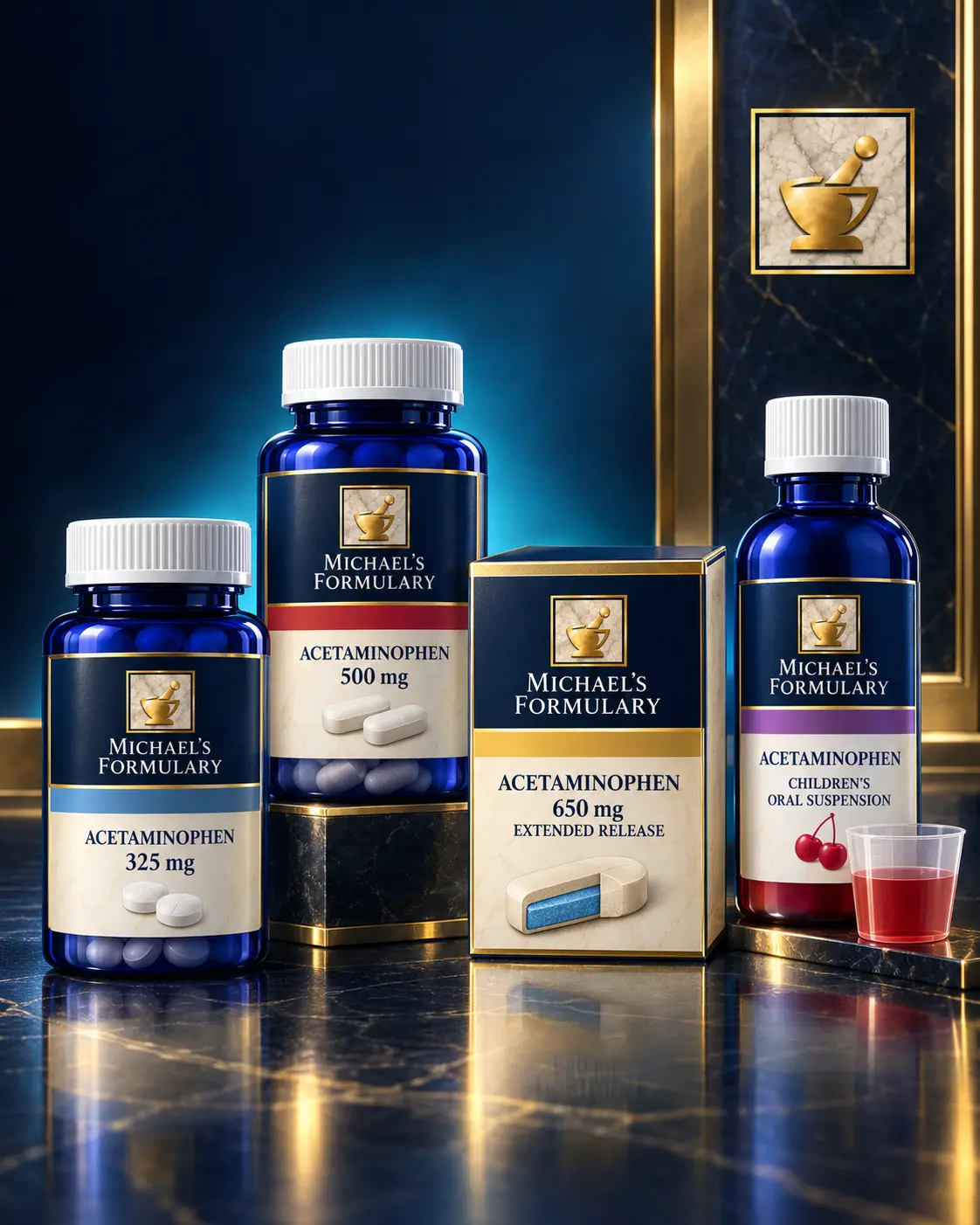
Match the exact package.
Tables here show examples from specific labels. Active ingredient, strength, form, age range, interval, and daily limit must all match the product in hand.
Check the person before the dose.
Age, weight, health conditions, other medicines, allergies, and pregnancy can change the next action. When a warning applies, ask first.
What relief was measured?
Compare an actual pain condition, a measured time point, and the exact treatments studied.
Pain relief: direct comparisons
These are study results, not a dose conversion or a promise for every patient.
| Pain setting & design | Treatments studied | Measured relief | What it means |
|---|---|---|---|
| Acute extremity pain · 2 emergency departments · 411 adults analyzed | Ibuprofen 400 mg + acetaminophen 1,000 mg; oxycodone 5 mg + acetaminophen 325 mg; hydrocodone 5 mg + acetaminophen 300 mg; codeine 30 mg + acetaminophen 300 mg. Single oral dose. | Mean pain score reduction at 2 hours (0–10 scale): 4.3, 4.4, 3.5, and 3.9, respectively. Between-group difference was not statistically significant (P=.053). | For this injury setting and these doses, no clinically important difference at 2 hours. Rescue medication was allowed, and adverse events were not assessed. Original trial ↗ |
| Impacted lower wisdom-tooth extraction · multisite randomized trial · 1,815 adults | Ibuprofen 400 mg + acetaminophen 500 mg versus hydrocodone 5 mg + acetaminophen 300 mg after surgery. | The nonopioid group reported 0.70 points less pain during the first day and night and 0.28 points less during the second on a 0–10 scale; satisfaction 85.3% versus 78.9%. | For this inflammatory dental pain model, the nonopioid combination did at least as well, with modestly lower reported pain early. This is not a claim about all severe pain. Original trial ↗ |
| Pain after impacted tooth surgery · single-dose direct comparisons | Aspirin 325 or 650 mg versus ibuprofen 200 or 400 mg; a separate dental study compared aspirin 650 mg, ibuprofen 400 mg, codeine 60 mg, and their combinations. | Participants recorded pain intensity and relief hourly for 4 hours in the aspirin–ibuprofen trial. A subsequent report of five dental studies found ibuprofen 400 mg consistently more effective than aspirin 650 mg in that model. | Aspirin does relieve pain, but the evidence does not support treating a 650 mg aspirin dose as interchangeable with 400 mg ibuprofen or an opioid dose. Direct trial ↗ · Five-study report ↗ |
Why Motrin may do more
Ibuprofen and aspirin inhibit cyclooxygenase and reduce prostaglandin production. Ibuprofen often performs well in dental and musculoskeletal pain with inflammation; aspirin's bleeding and interaction profile also matters. A result in dental extraction cannot set a universal rank for every pain condition.
Different mechanism; different risks
Opioids act at opioid receptors and can relieve moderate to severe pain, but cause sedation and potentially fatal respiratory depression. Some studied NSAID–acetaminophen combinations achieved comparable or better relief in specific acute pain settings. Opioids require an individualized prescription decision.
Useful addition, no anti-inflammatory equivalence
Acetaminophen treats pain and fever but has little peripheral anti-inflammatory effect at usual doses. Combination benefits do not mean that one ingredient alone had the same effect. Count acetaminophen in all cold medicines and opioid combination prescriptions.
Onset, peak, duration & clearance
For standard oral immediate-release forms in adults unless a row specifies otherwise.
| Medicine / form | Pain relief and timing evidence | Blood half-life | What clears it / practical interval |
|---|---|---|---|
| Aspirin · plain immediate-release | Relief was measured hourly over 4 hours in a dental trial, so it did not establish a precise first-relief minute. No single onset can be assigned across formulations. Delayed-release aspirin is slower and unsuitable for rapid symptom relief. | Parent aspirin ≈15 minutes; its active metabolite salicylate ≈2–3 hours at low doses. Clearance becomes dose dependent at higher exposures. | Hydrolysis to salicylate; chiefly liver metabolism, then kidney excretion. Example 325 mg OTC label: 1–2 tablets every 4 hours or 3 every 6 hours, max 12 tablets/24 hours. FDA aspirin kinetics ↗ · Example label ↗ |
| Ibuprofen / Motrin · immediate-release tablet | In a 394-person dental trial, ibuprofen 400 mg produced first perceptible relief at a median 24.9 minutes and meaningful relief at 56.2 minutes; median time to treatment failure was 10.4 hours. These are trial outcomes, not dosing intervals. Peak blood levels: 1–2 hours. Original trial ↗ | ≈1.8–2 hours. | Metabolized, with urine excretion virtually complete by 24 hours after the last dose in the label study. Example OTC 200 mg label: every 4–6 hours, max 6 tablets/24 hours. Prescription PK ↗ · OTC examples ↓ |
| Naproxen sodium · immediate-release | Peak blood levels in 1–2 hours; the sodium salt is absorbed faster than plain naproxen tablets. The longer OTC interval does not mean instant relief. | ≈12–17 hours. | Mostly excreted in urine after metabolism/conjugation. Example OTC 220 mg label: every 8–12 hours, max 3 tablets/24 hours. PK ↗ · OTC examples ↓ |
| Acetaminophen · immediate-release | Clinical onset depends on formulation and pain setting. A dental trial of a fast-acting 1,000 mg acetaminophen formulation reported median first perceptible relief at 15.7 minutes, versus 20.2 minutes for a standard extra-strength formulation. This does not describe all tablets. Original trial ↗ | ≈1.25–3 hours at therapeutic doses; prolonged in liver injury or overdose. | Primarily liver conjugation, then urinary excretion of metabolites. Product-specific OTC intervals vary, often 4–6 hours; 650 mg extended release has an 8-hour direction. PK label ↗ · Exact OTC labels ↓ |
| Hydrocodone · oral immediate-release, prescription combination reference | In a small labeled pharmacokinetic study, 10 mg hydrocodone reached peak blood levels at 1.3 ± 0.3 hours. The dental and injury trials above measured pain from hydrocodone + acetaminophen combinations; they do not establish a universal first-relief minute. | ≈3.8 ± 0.3 hours in that study. | Primarily liver CYP3A4 metabolism, with some CYP2D6 conversion to hydromorphone; hydrocodone and metabolites are eliminated mainly through kidney. Follow the individual prescription and count its acetaminophen. FDA label ↗ |
| Oxycodone · oral immediate-release, prescription | Immediate-release form; blood peak around 1–3 hours in labeled studies. First perceived relief varies; the injury trial measured pain at 1 and 2 hours for an oxycodone + acetaminophen combination. | ≈3.5–4 hours. | Liver CYP3A4/CYP2D6 metabolism; parent drug and metabolites primarily excreted via kidney. Prescription instructions determine any interval. Sedation and breathing effects can outlast the perceived analgesia. FDA label ↗ |
| Codeine · oral, prescription combination reference | A labeled codeine + acetaminophen product states analgesia peaks within 2 hours and lasts 4–6 hours. This is a combination product, not a prediction for every opioid. | ≈2.9 hours for codeine. | Metabolized partly to morphine; excreted chiefly through kidney. CYP2D6 variation changes effect and toxicity; never convert a nonopioid dose to codeine milligrams. Combination label ↗ |
How to use the comparison
Read the evidence, then make the product and person checks below.
Match the setting
Dental inflammation, a sprain, fever and chronic nerve pain are different questions. The trials above primarily address short-term injury and postsurgical dental pain.
Separate onset from release
A softgel, delayed-release tablet, and extended-release tablet can behave differently. Do not infer a faster or longer effect from the brand name alone.
Choose for the person
Bleeding and kidney risk may rule out NSAIDs; liver disease or duplicate products may limit acetaminophen; opioids add sedation, dependence, and breathing risks.
Research review: 25 September 2026. Study doses illustrate trials, not instructions to combine products or exceed a Drug Facts limit. The adult and pediatric charts that follow apply only to matching labels. ADA acute dental pain guideline ↗
Identify the bottle before the dose
These branded illustrations make label-reading visible. The images are teaching examples; the real Drug Facts panel controls.

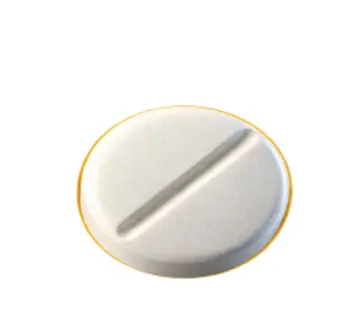 Tablet
 Extended release
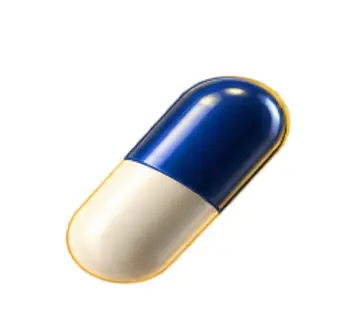 Capsule
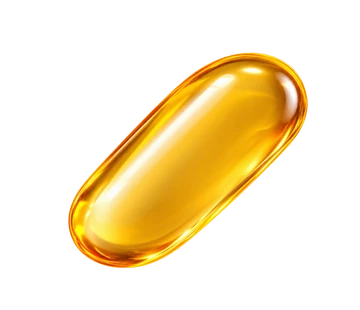 Softgel
 Liquid
Product and dose identity
Use the exact package, form, concentration and age range.
Adult OTC label directions
Match the exact strength and release form before reading any number.
Each row is a specific example label for ages 12 and up. Do not transfer its directions to a different strength, release form, or product.
| Product and form | Label direction | Label maximum in 24 hours | Before another dose | Exact source |
|---|---|---|---|---|
| Acetaminophen 325 mgTylenol Regular Strength tablet | 2 tablets every 4–6 hours while symptoms last. | 10 tablets · 3,250 mg | Count all acetaminophen sources; this label prohibits another acetaminophen product. | DailyMed label ↗ |
| Acetaminophen 500 mgTylenol Extra Strength caplet | 2 caplets every 6 hours while symptoms last. | 6 caplets · 3,000 mg | A different strength does not reset the acetaminophen total. | DailyMed label ↗ |
| Acetaminophen 650 mgTylenol 8HR extended-release caplet | 2 caplets every 8 hours with water. Swallow whole; do not crush, chew, split, or dissolve. | 6 caplets · 3,900 mg | Keep the 8-hour interval. Do not use in children under 12 on this label. | DailyMed label ↗ |
| Ibuprofen 200 mgSingle-ingredient tablet example | 1 tablet every 4–6 hours; if 1 does not work, 2 may be used. | 6 tablets · 1,200 mg | Do not stack with another NSAID. Check stomach bleeding, kidney, heart, and pregnancy warnings. | DailyMed label ↗ |
| Naproxen sodium 220 mgAleve tablet example | 1 tablet every 8–12 hours. For a first dose, 2 may be used within the first hour. | 3 tablets · 660 mg | Do not exceed 2 tablets in an 8–12-hour period or add ibuprofen or aspirin for pain. | DailyMed label ↗ |
| Aspirin 325 mgAnalgesic tablet example | 1–2 tablets every 4 hours or 3 tablets every 6 hours with a full glass of water. | 12 tablets · 3,900 mg | These are pain directions, not a plan for clinician-directed low-dose aspirin. | DailyMed label ↗ |
Children and liquid medicines
Start with age, weight, concentration, and the supplied device.
Acetaminophen and ibuprofen are different medicines.
Use the label’s weight band when it is provided.
Never assume two liquids contain the same amount per mL.
Do not substitute a household spoon.
Prevent early repeat doses and duplicate products.
Detailed dosing library
Open only the table that matches the package in hand.
One verified record. Every useful view.
Each row connects the dose to the current Drug Facts label, the manufacturer’s product guidance, and supporting federal or NIH/NLM information. The label remains the dosing authority.
Source order
1. Exact package and Drug Facts label
2. DailyMed/FDA label record
3. Manufacturer product directions
4. NIH/NLM supporting literature
| Weight | Age | Amount per dose | Interval and daily limit | Verified resources |
|---|---|---|---|---|
| Under 24 lb | Under 2 years | Ask a healthcare professional | Do not calculate from an adult chart. | DailyMed label ↗ |
| 24–35 lb | 2–3 years | 5 mL160 mg | Repeat every 4 hours while symptoms last. Do not give more than 5 doses in 24 hours. Use only the supplied dosing device. | Manufacturer dosing page ↗ DailyMed label ↗ |
| 36–47 lb | 4–5 years | 7.5 mL240 mg | ||
| 48–59 lb | 6–8 years | 10 mL320 mg | ||
| 60–71 lb | 9–10 years | 12.5 mL400 mg | ||
| 72–95 lb | 11 years | 15 mL480 mg |
| Product identity | Dosage form | Label-controlled directions | Primary control | Controlled source |
|---|---|---|---|---|
| Ibuprofen 200 mgSingle ingredient | Coated tablet Film-coated caplet Liquid-filled capsule | Adults and children 12 years and older: take 1 unit every 4–6 hours while symptoms last. If 1 does not work, 2 units may be used. Do not exceed 6 units (1,200 mg) in 24 hours unless directed by a doctor. | Use the smallest effective dose. Take with food or milk if stomach upset occurs. A different dosage form does not reset the dose count. | Ibuprofen 200 mg label ↗ |
| 125 mg + 250 mgIbuprofen + acetaminophen | Dual-action film-coated caplet | Adults and children 12 years and older: take 2 caplets every 8 hours while symptoms last. Do not exceed 6 caplets in 24 hours. | This is not plain ibuprofen. Count both ingredients. Do not add another acetaminophen product or another NSAID. | Dual Action label ↗ |
| 200 mg + 38 mgIbuprofen + diphenhydramine citrate | PM film-coated caplet | Adults and children 12 years and older: take 2 caplets at bedtime. Do not exceed 2 caplets in 24 hours. Do not use for more than 10 days unless directed by a doctor. | Drowsiness will occur. Do not combine with another diphenhydramine product, sleep aid, sedative, alcohol, or another NSAID. Allow time for a full night’s sleep. | Advil PM label ↗ |
| 200 mg + 30 mgIbuprofen + pseudoephedrine HCl | Cold and sinus coated caplet | Adults and children 12 years and older: take 1 caplet every 4–6 hours. If 1 does not work, 2 may be used. Do not exceed 6 caplets in 24 hours. | This is a decongestant combination. Do not combine it with another decongestant or NSAID. Screen for MAO inhibitors, blood pressure, heart, thyroid, diabetes, stroke, and urinary problems. | Cold & Sinus label ↗ |
| 200 mg + 10 mgIbuprofen + phenylephrine HCl | Sinus congestion and pain coated tablet | Adults and children 12 years and older: take 1 tablet every 4 hours while symptoms last. Do not exceed 6 tablets in 24 hours. | This product contains oral phenylephrine, which FDA has proposed removing as a nasal decongestant because the available evidence does not support its effectiveness. Ibuprofen still relieves pain and fever. Do not combine this product with another decongestant or NSAID; screen for cardiovascular conditions and MAO inhibitors. | Sinus Congestion & Pain label ↗ FDA oral phenylephrine review ↗ |
Pain or fever
Choose single-ingredient ibuprofen. Count every tablet, caplet, or liquid-filled capsule toward the same 1,200 mg daily ceiling.
Pain plus acetaminophen
Dual Action contains two pain relievers. Count both ingredients before adding any cold, flu, sleep, headache, or prescription product.
Pain that prevents sleep
A PM product adds diphenhydramine. Use it only when pain and occasional sleeplessness occur together.
Congestion with pain
Cold and sinus products add a decongestant. Check the exact ingredient and its warnings before use.
| Weight | Age | Amount per dose | Interval and daily limit | Verified resources |
|---|---|---|---|---|
| Under 24 lb | Under 2 years | Ask a healthcare professional | Do not calculate from an adult chart. | DailyMed label ↗ |
| 24–35 lb | 2–3 years | 5 mL100 mg | Repeat every 6–8 hours if needed. Do not use more than 4 times a day. Use only the supplied dosing device. | Manufacturer dosing page ↗ DailyMed label ↗ |
| 36–47 lb | 4–5 years | 7.5 mL150 mg | ||
| 48–59 lb | 6–8 years | 10 mL200 mg | ||
| 60–71 lb | 9–10 years | 12.5 mL250 mg | ||
| 72–95 lb | 11 years | 15 mL300 mg |
| Weight | Age | Amount per dose | Interval and limit | Exact source |
|---|---|---|---|---|
| Not listed | Under 6 months | Ask a doctor | Do not infer a dose from an older child’s chart. | DailyMed label ↗ |
| 12–17 lb | 6–11 months | 1.25 mL | Repeat every 6–8 hours if needed. Do not use more than 4 times a day. Use only the supplied device. | |
| 18–23 lb | 12–23 months | 1.875 mL |
| Product identity | Dosage form | Label-controlled directions | Primary control | Controlled source |
|---|---|---|---|---|
| 220 mgEquivalent to naproxen 200 mg | Tablet Caplet Gelcap or liquid-filled capsule | Adults and children 12 years and older: take 1 unit every 8–12 hours while symptoms last. For the first dose, 2 units may be taken within the first hour. Do not exceed 2 units in any 8–12-hour period or 3 units (660 mg) in 24 hours. Drink a full glass of water with each dose. | Use the smallest effective dose. A different dosage form does not change the naproxen total. Children under 12: ask a doctor. | Aleve 220 mg label ↗ Liquid-gel product page ↗ |
| 220 mg + 25 mgNaproxen sodium + diphenhydramine HCl | Film-coated nighttime caplet | Adults and children 12 years and older: take 2 caplets at bedtime. Do not exceed 2 caplets in 24 hours. Use only for occasional sleeplessness associated with minor aches and pains. | Drowsiness will occur. Do not combine with another diphenhydramine product, sleep aid, sedative, alcohol, or another NSAID. Allow time for a full night’s sleep. | Aleve PM label ↗ |
| 220 mg + 120 mg ERNaproxen sodium + pseudoephedrine HCl | 12-hour extended-release caplet | Adults and children 12 years and older: swallow 1 caplet whole every 12 hours. Do not exceed 2 caplets in 24 hours. Do not crush or chew. | This is a cold, sinus, and flu combination—not plain naproxen. Screen for high blood pressure, heart disease, stroke, thyroid disease, diabetes, urinary problems, MAO inhibitors, and other medicines. | Aleve-D label ↗ |
Pain or fever
For this plain naproxen sodium 220 mg tablet label, count all naproxen sources toward its 3-tablet daily ceiling. PM and cold combinations have their own directions and limits.
Pain that prevents sleep
A PM product adds diphenhydramine. Use only when pain and occasional sleeplessness occur together.
Sinus congestion with pain
An extended-release decongestant product adds pseudoephedrine and a separate safety screen.
| Strength | Verified dosage forms | Label-controlled use | Representative products | Controlled source |
|---|---|---|---|---|
| 81 mgLow dose | Chewable tablet Delayed-release or enteric-coated tablet Liquid-filled capsule | Form matters. Chewable tablets must be chewed or crushed completely. Delayed-release tablets must be swallowed whole and are not intended for symptoms needing rapid relief. Routine heart or stroke use remains clinician-directed. | Bayer Low Dose Bayer Chewable St. Joseph Ecotrin Low Strength Vazalore | 81 mg chewable label ↗ 81 mg delayed-release label ↗ |
| 325 mgRegular strength | Uncoated or coated tablet Delayed-release or enteric-coated tablet Buffered tablet Liquid-filled capsule | Representative analgesic label: adults and children 12 years and older take 1–2 tablets every 4 hours or 3 tablets every 6 hours. Do not exceed 12 tablets, or 3,900 mg, in 24 hours. Drink a full glass of water with each dose. | Genuine Bayer Ecotrin Regular Strength Bufferin Vazalore | 325 mg representative label ↗ Buffered aspirin label ↗ |
| 500 mgExtra strength | Coated tablet or caplet Product-specific powder or combination forms | Verified Bayer label: adults and children 12 years and older take 1–2 caplets every 4–6 hours. Do not exceed 8 caplets, or 4,000 mg, in 24 hours. Other 500 mg products require their own exact label. | Bayer Extra Strength Aspirina 500 mg | Bayer 500 mg product directions ↗ |
Pain or fever
Match the exact strength and release form. Use only its labeled interval and 24-hour limit.
Heart or stroke use
Do not start, stop, or change clinician-directed aspirin independently. Analgesic directions do not control cardiovascular therapy.
Combination-product traps
Alka-Seltzer Original, Goody’s, and BC products require separate records because they contain additional active ingredients or formulation-specific warnings.
Safety before dosing
Check the medicine, the label, and the person before a dose.
Safety gate before the dose
Clear the ingredient-specific warnings before choosing a dose.
Liver and duplication
Check liver disease, regular alcohol use, warfarin, and every cold, flu, sleep, or pain product.
Open dose control →Stomach, kidney and heart
Check bleeding, ulcer, kidney, heart, blood-pressure, asthma, aspirin, and pregnancy concerns.
Open monograph →Longer exposure
Use the same NSAID screen. Do not combine with ibuprofen, aspirin for pain, or another NSAID.
Open monograph →Bleeding and Reye syndrome
Separate analgesic use from prescribed cardiovascular use. Check bleeding risk and viral illness.
Open dose control →Form, measurement and time
A different form or brand may have different directions.
Immediate is not extended release
Do not transfer an interval or tablet count between regular, extended-release, coated, chewable, or dissolving products. Follow the exact package.
Read mg per mL
Match the milligram amount to the milliliter concentration. Shake when directed and use the supplied syringe or cup—not a kitchen spoon.
Count every active ingredient
Cold, flu, sleep, menstrual, and migraine products may repeat acetaminophen, ibuprofen, aspirin, or another pain reliever.
Write it down before the next dose
Record the product, amount, and clock time. A different brand name does not reset the interval or daily limit.
Four checks on the Drug Facts label
Take these from the exact package. Brand names are not enough.
Active ingredient and strength
Read every active ingredient and the amount in each unit or in each 5 mL.
Release type and route
Check regular versus extended release, tablet versus liquid, and oral versus topical.
Interval and 24-hour limit
Copy the exact unit count, time between doses, age range, and daily ceiling.
Person and other medicines
Check conditions, pregnancy, allergy, alcohol, aspirin use, and duplicate ingredients.
Check the person before the product
Use the same three questions for every proposed medicine: who, why, and what action?
| Patient factor | Why it matters | Controlled action |
|---|---|---|
| Kidney disease or low fluid intake | NSAIDs can reduce kidney blood flow, especially during dehydration. | Ask before using an NSAID. |
| Liver disease or regular alcohol use | Too much acetaminophen can cause severe liver injury. | Ask for an individual limit and count all sources. |
| Heart disease or high blood pressure | NSAIDs may raise blood pressure and increase fluid retention and cardiovascular risk. | Ask before use; follow the shortest approved course. |
| Ulcer or blood thinner | NSAIDs and aspirin can increase stomach bleeding risk. | Ask before use. Black stool or vomiting blood needs urgent care. |
| Asthma or prior NSAID reaction | Some people have serious allergic or breathing reactions to an NSAID. | Do not retry without professional advice. |
| Age 60 or older | Bleeding and kidney risks rise with age and other illnesses. | Review medicines and health conditions with a clinician or pharmacist. |
| Pregnancy | FDA advises avoiding NSAIDs around 20 weeks or later unless specifically advised. | Ask a health professional before using any pain medicine in pregnancy. |
The 60-second pain-shelf check
A repeatable sequence before selecting a product or giving a dose.
- Name the pain and note whether swelling is present.
- Find every active ingredient.
- Mark acetaminophen, NSAIDs, caffeine, and any other drug.
- Check other products for the same ingredient or drug class.
- Read liver, bleeding, heart, kidney, and pregnancy warnings.
- Choose one product with the fewest unneeded ingredients.
- Read its exact dose, interval, and 24-hour limit.
- Record the dose and time before leaving the shelf.
The 24-hour record
Keep the ingredient and time attached to every actual dose.
Write down the actual dose
The record protects the interval and the rolling 24-hour count.
Copy the name and strength from the package. Record doses already given or taken. This record does not calculate the next dose.
| Date and clock time | Amount actually taken | Ingredient and mg | Who gave it / notes |
|---|---|---|---|
Stop, ask first and escalate
Know when the label moves care beyond the OTC shelf.
| Signal | Controlled action | Why it matters |
|---|---|---|
| Pain worsens or lasts more than 10 days; fever worsens or lasts more than 3 days | Stop self-extension and ask a clinician. | Representative OTC labels use these limits because persistent symptoms may require evaluation. |
| Black or bloody stool, vomiting blood, faintness, persistent stomach pain, chest pain, weakness, slurred speech, or leg swelling | Stop the NSAID and seek medical help promptly; use emergency services for severe symptoms. | These are label-listed bleeding, heart, or stroke warning signs. |
| Skin reddening, blisters, rash, facial swelling, wheezing, or shock | Stop the product and seek medical help right away. | Acetaminophen and NSAID labels warn about severe skin or allergic reactions. |
| Possible acetaminophen overdose or duplicate exposure | Contact Poison Control immediately at 1-800-222-1222, even without symptoms. | Prompt assessment is critical because early liver injury may not be obvious. |
| Pregnancy at 20 weeks or later | Do not use an NSAID unless specifically advised by a health professional. | FDA warns that NSAIDs at about 20 weeks or later may cause fetal kidney problems and low amniotic fluid. |
| Daily low-dose aspirin for heart or stroke protection | Do not stop it independently. Ask before adding ibuprofen, naproxen, or another NSAID. | Bleeding risk and interference with aspirin’s antiplatelet benefit require individualized timing and selection. |
Controlled evidence register
Every example remains tied to an exact product label or official guidance.