
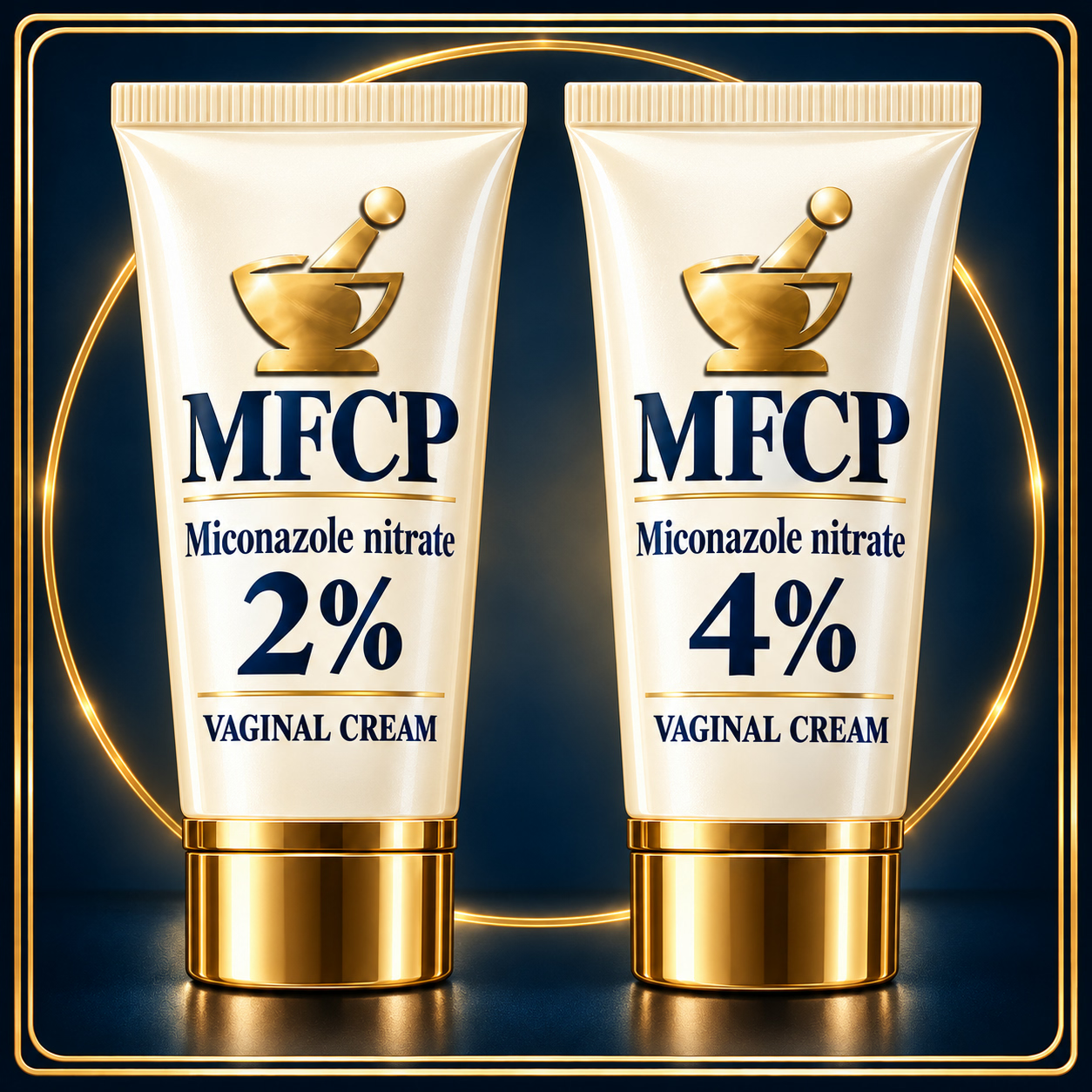
 MICHAEL’S FORMULARY™Miconazole nitrate2% / 4%Vaginal cream100 / 200 / 1,200 mg inserts
Vaginal suppository or cream systems with product-specific 1-, 3-, or 7-day directions.
Open miconazole monographFour OTC pathways with different targets, routes, timelines, and referral boundaries. Start with the symptom pattern—never with the package color.
MFCP educational packaging shows drug strength and form. Follow the actual product label for directions.
Itching, burning, urinary pain, and pregnancy risk may sound adjacent at the shelf, but they represent different anatomy and different clinical questions. Identify the site, pattern, timing, and red flags before choosing a product. This pre-beta covers four focused pathways; it is not a complete guide to women’s health.
Azole antifungals treat label-matched vaginal yeast infection. Regimen length and dosage form change—but one-dose packaging does not guarantee one-day symptom resolution.
MICHAEL’S FORMULARY™Miconazole nitrate2% / 4%Vaginal cream100 / 200 / 1,200 mg insertsVaginal suppository or cream systems with product-specific 1-, 3-, or 7-day directions.
Open miconazole monograph MICHAEL’S FORMULARY™Tioconazole6.5%Vaginal ointmentSingle-application product
One prefilled vaginal ointment applicator for a previously diagnosed vaginal yeast infection.
Open tioconazole monograph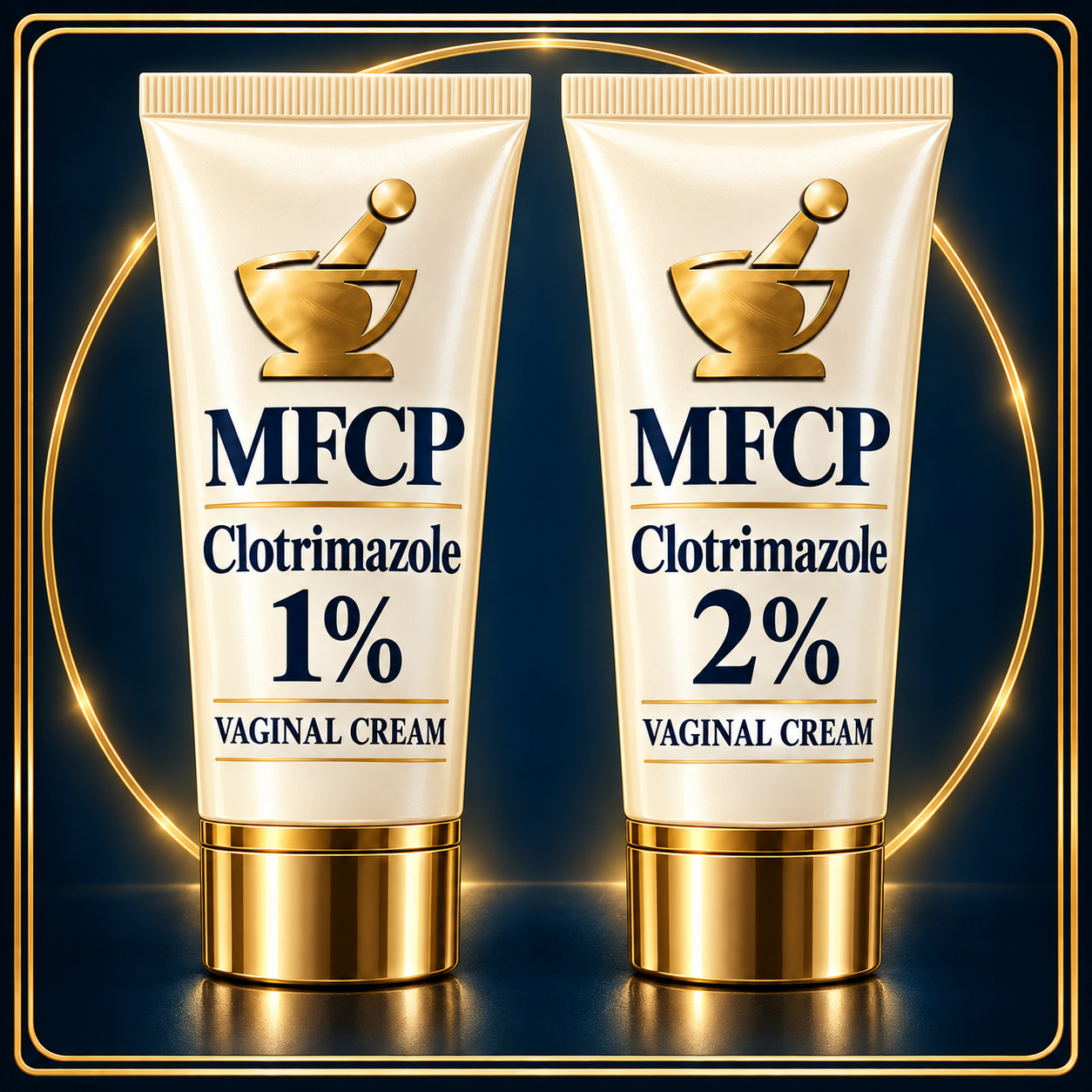 MICHAEL’S FORMULARY™Clotrimazole1% / 2%Vaginal creamCheck the vaginal route label
External and vaginal products require separate labeling and directions. The dosage form decides the route.
Open clotrimazole monograph| Drug / vaginal form | Dose / course | Route boundary |
|---|---|---|
| Miconazole cream 2% / 4% | 5 g vaginally daily · 7 / 3 days | Vaginal applicator; an external cream is not a substitute. |
| Miconazole insert 100 / 200 / 1,200 mg | One vaginal insert daily · 7 / 3 / 1 day | Use the vaginal insert supplied for that course. |
| Tioconazole ointment 6.5% | 5 g vaginally · single application | Use the prefilled vaginal applicator. |
| Clotrimazole vaginal cream 1% / 2% | 5 g vaginally daily · label-matched 7-day / 3-day course | Verify a vaginal label; CDC also lists 7–14 days for 1%. |
A shorter course does not mean faster relief. These rows compare forms and duration, not cure-rate rankings.
See a clinician if symptoms return within 2 months. Three or more yeast episodes in less than a year need a care plan. Do not keep switching OTC products.
Ask your clinician before treatment. CDC recommends a topical azole for 7 days in pregnancy. Do not choose a one-day course on your own.
Do you take warfarin? Ask a doctor or pharmacist before vaginal miconazole. Bleeding can occur. These products may harm condoms or diaphragms. Follow both labels. Avoid sex during treatment as directed.
External itching may reflect irritation, dermatitis, friction, allergy, infection, or another vulvar condition. Symptom relief never establishes the diagnosis.
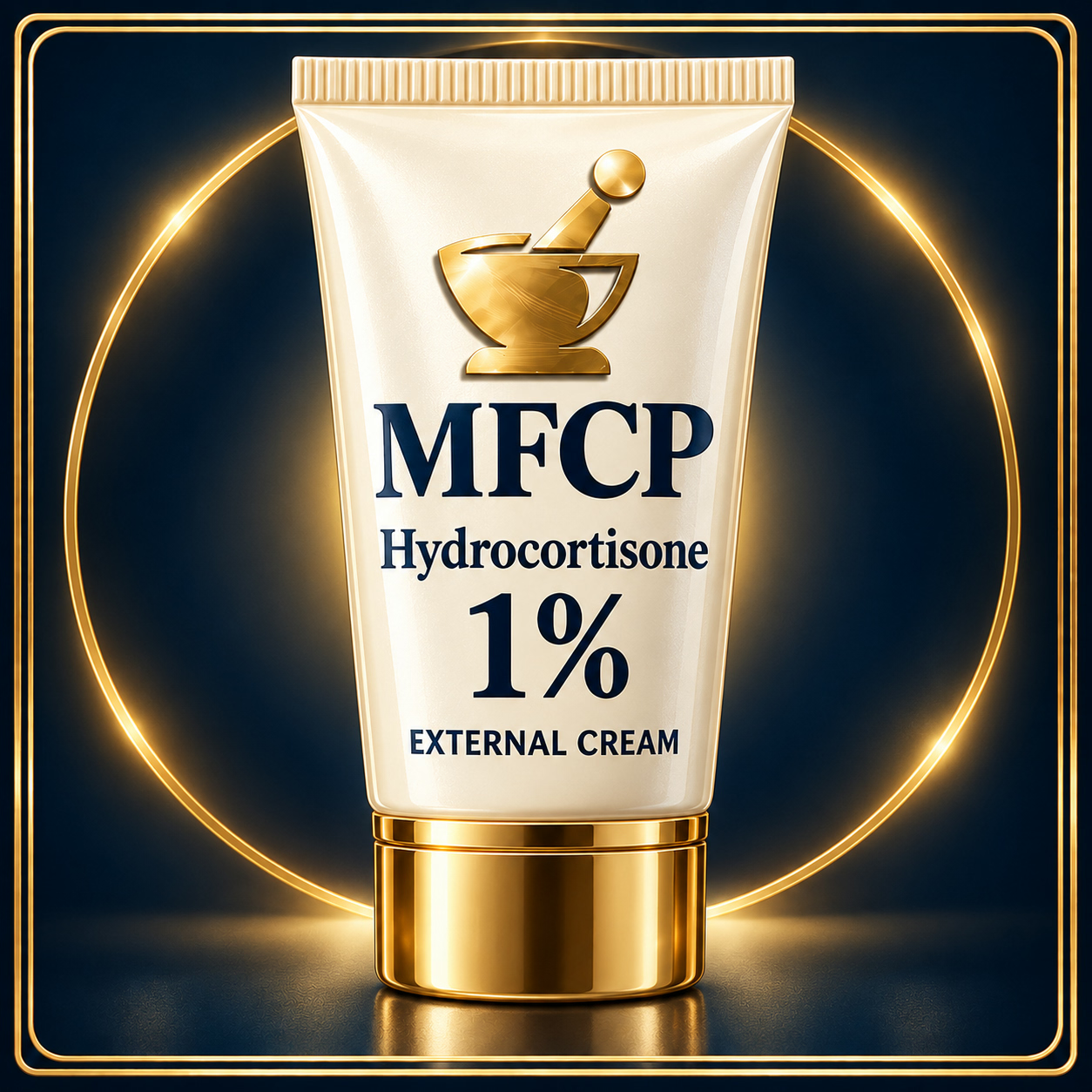 MICHAEL’S FORMULARY™Hydrocortisone1%External creamShown: 1% cream; follow the exact label
Temporary relief for label-matched external itching and inflammation. Do not insert a standard external-skin product vaginally.
Open hydrocortisone monograph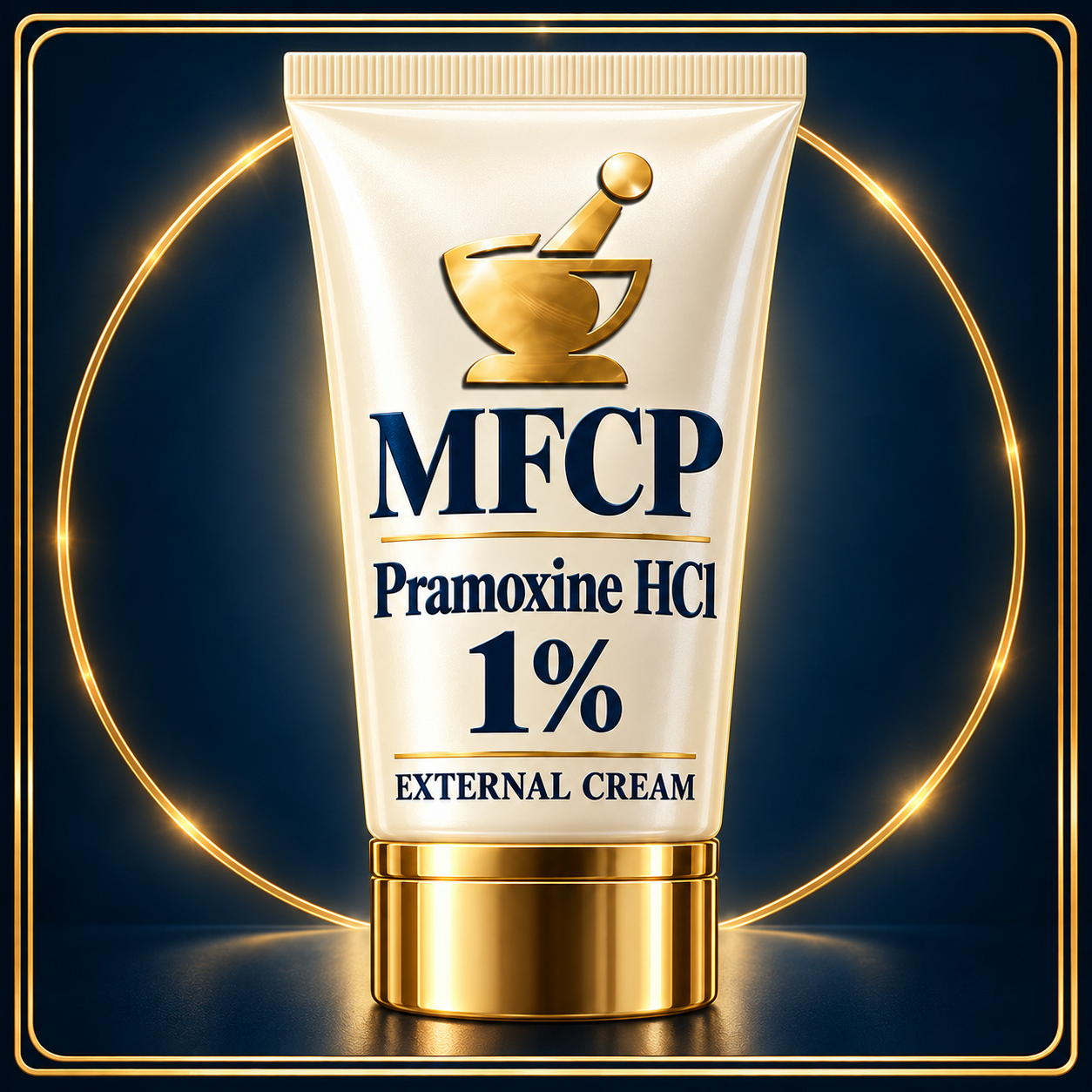 MICHAEL’S FORMULARY™Pramoxine HCl1%External creamUse only on label-permitted skin sites
Numbs the skin for short-term itch relief. Use only if the exact label permits the site. Do not place an external skin product inside the vagina.
Open pramoxine monographPersistent, recurrent, painful, ulcerated, or discharge-associated symptoms require assessment rather than repeated suppression.
Open Itch & Rash pathwayStop and ask a doctor if itch gets worse, lasts more than 7 days, or returns within a few days. Do not start another steroid cream to extend self-care.
Stop a product that causes more burning or rash. Fragranced wipes, douches, soaps, and some numbing creams can irritate the skin. Do not stack products.
White skin patches, tears, sores, or pain need an exam. Skin disease, contact allergy, and menopause-related dryness may need different care.
Phenazopyridine can temporarily reduce urinary burning, urgency, pain, and frequency. It does not kill bacteria and does not cure a urinary tract infection.
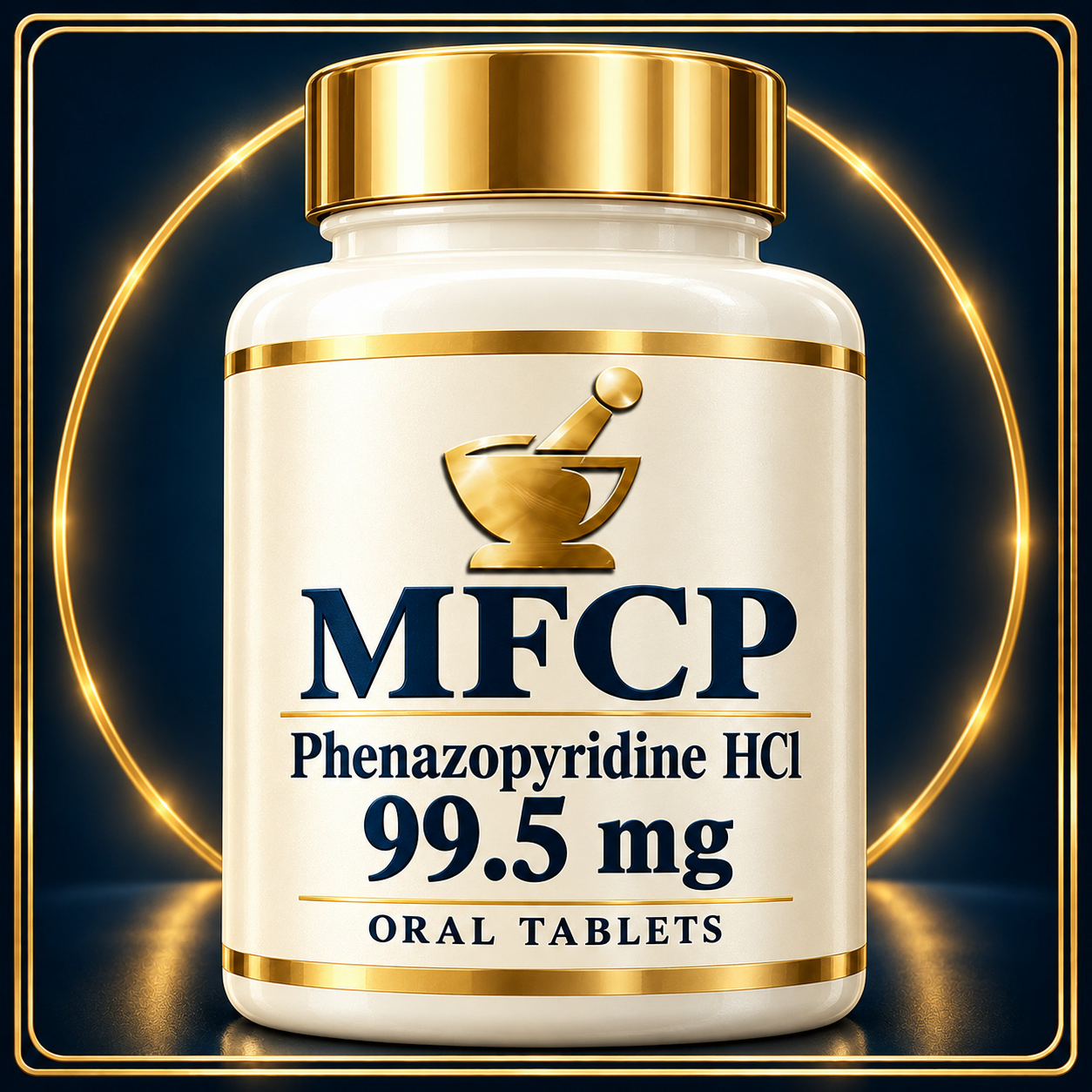 MICHAEL’S FORMULARY™Phenazopyridine HCl99.5 mg per tabletOral OTC tabletsOther OTC products may contain 95 mg
Short-course symptom relief with kidney, G6PD, urine-color, staining, and laboratory-interference controls.
Open phenazopyridine monographNew urinary symptoms may require testing and antimicrobial treatment. Do not let temporary numbing delay evaluation.
Check when to seek careTell the clinician or lab if you took phenazopyridine. Its dye can affect urine tests that use color. A home strip is not enough to rule out a UTI.
Do not take extra doses or extend use. Rare blood problems and kidney injury can occur. Blue or gray lips, trouble breathing, or severe weakness need urgent care.
Orange-red urine is common with this drug. You cannot tell from color alone if blood is also present. New blood, clots, or pain need medical review.
Emergency contraception is used after contraceptive failure or unprotected sex. It prevents pregnancy; it does not end an established pregnancy and does not protect against sexually transmitted infections.

Act as soon as possible
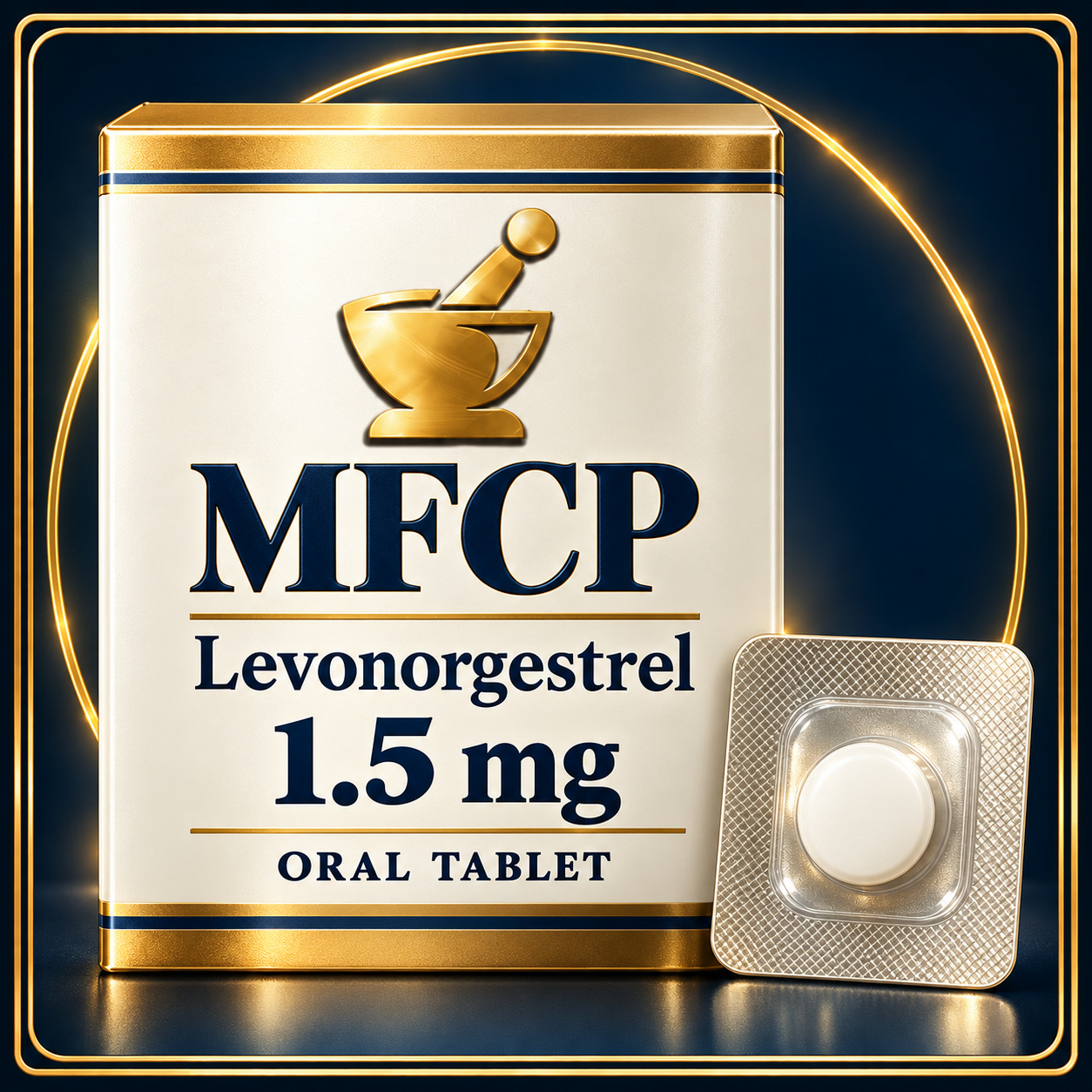 MICHAEL’S FORMULARY™Levonorgestrel1.5 mgOral tablet · OTCEmergency contraception
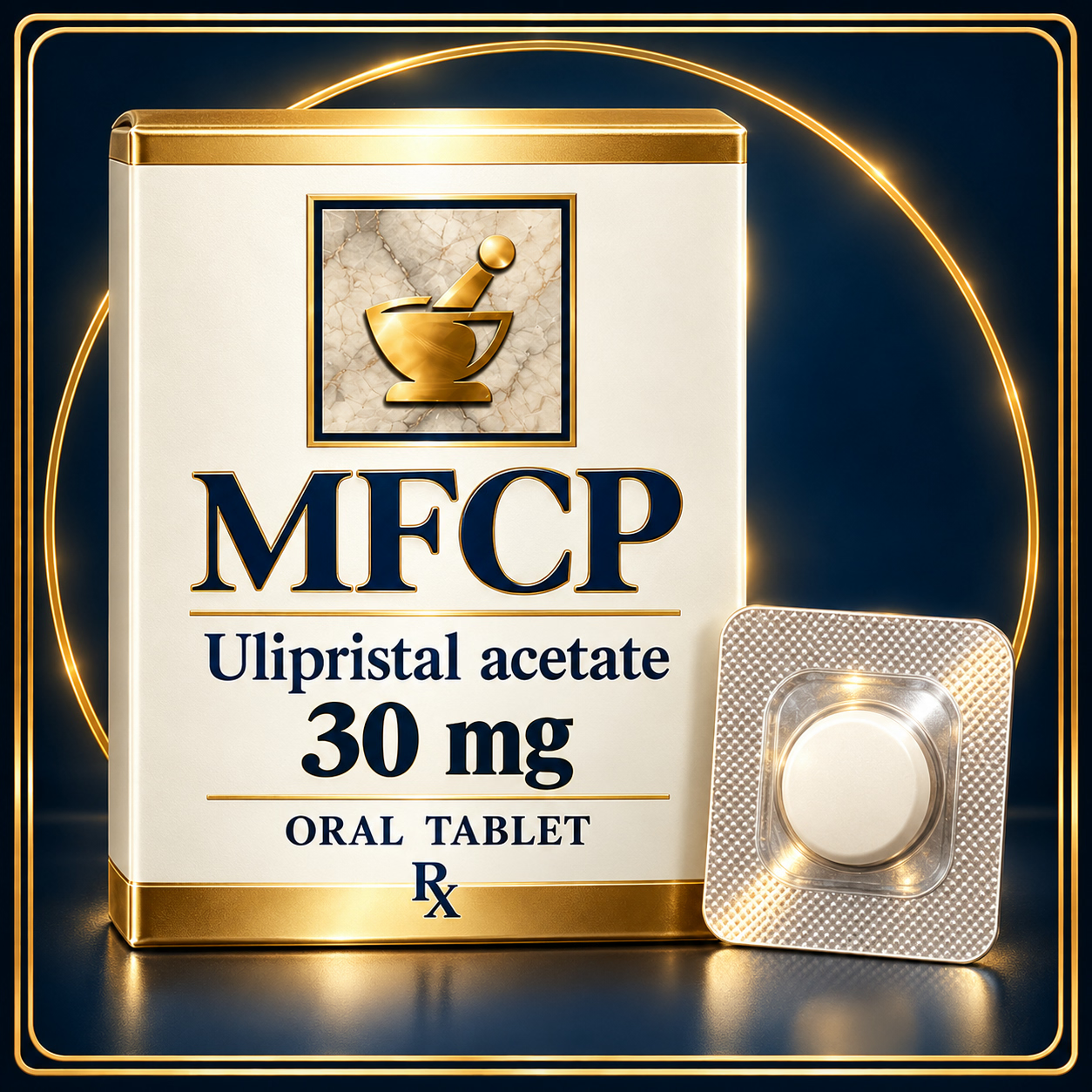 MICHAEL’S FORMULARY™Ulipristal acetate30 mgOral tablet · PrescriptionEmergency contraception
| Emergency pill | Start / resume birth control | Backup and test |
|---|---|---|
| Levonorgestrel | Start or resume regular birth control right away. | Avoid sex or use condoms for 7 days. Test if no bleed occurs within 3 weeks. |
| Ulipristal acetate | Wait at least 5 days before starting or resuming hormonal birth control. Ask about your exact method. | Use condoms or avoid sex while waiting, then for 7 days after restarting, or until your next period, whichever comes first. Test if no bleed occurs within 3 weeks. |
If your period is more than a week late, take a pregnancy test. Severe lower belly pain needs urgent care. Do not wait for the test if you feel very unwell.
If more than 72 hours have passed, seek care now. Ulipristal or a copper IUD may be an option up to 5 days. Do not assume it is too late.
CDC notes pills may work less well with BMI ≥30 kg/m². Levonorgestrel may be less effective than ulipristal with obesity. Evidence does not set a dependable pounds cutoff. Ask promptly about ulipristal or a copper IUD; do not delay care.
Tell the pharmacist about all medicines and herbs you take. Some can lower how well an emergency pill works. Do not combine the two types of emergency pill on your own.
Clinical sources checked October 3, 2026. Professional safety context does not replace OTC product directions.
Links already cited on this page.